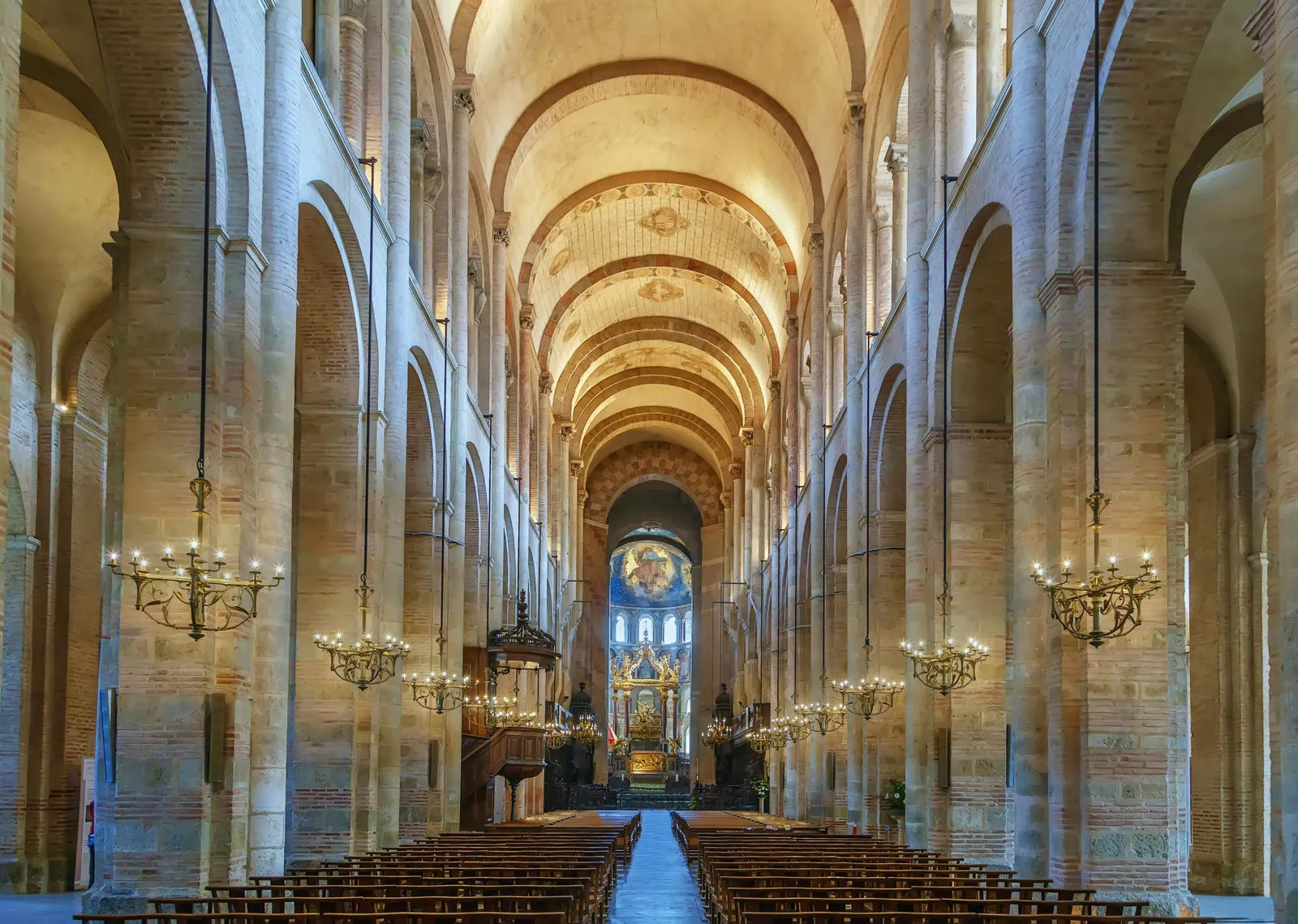
A Visual Journey: Christian Art and Architecture

thegriffithdc.com – Christian art and architecture have been instrumental in shaping the visual landscape of the Christian faith for centuries. From the earliest catacombs to the soaring spires of Gothic cathedrals, the visual expressions of Christian belief have been a powerful means of conveying theological concepts, historical narratives, and the beauty of the divine. This article embarks on a visual journey through the rich tapestry of Christian art and architecture, exploring its evolution, key features, and the profound messages it conveys.

The Early Christian Period: Hidden Symbols and Catacombs

The early Christian period, marked by persecution and secrecy, saw the development of a symbolic language that allowed believers to express their faith discreetly. The catacombs, underground burial places, were adorned with frescoes depicting biblical scenes, symbols like the fish (ichthys), and the Good Shepherd, reflecting the hope of resurrection and the communal aspect of Christian life.

The Byzantine Era: Mosaics and Icons

With the rise of the Byzantine Empire, Christian art flourished, characterized by the use of gold, intricate mosaics, and the veneration of icons. The Hagia Sophia in Istanbul, with its massive dome and breathtaking interior, stands as a testament to the architectural achievements of this era. Icons, flat and stylized images of saints and biblical figures, played a central role in worship and devotion, bridging the spiritual and the material.

Romanesque Architecture: Solid and Symbolic

The Romanesque period, spanning the 10th to the 12th centuries, is marked by its solid, fortress-like structures, rounded arches, and the use of stone. Churches like the Abbey of Cluny in France and the Cathedral of Pisa in Italy exemplify the Romanesque style, with their emphasis on strength and stability, reflecting the solidity of faith.

Gothic Splendor: Light and Verticality

The Gothic era, from the 12th to the 16th centuries, introduced revolutionary architectural techniques such as the pointed arch, ribbed vault, and flying buttress, allowing for taller buildings filled with light. Cathedrals like Notre-Dame in Paris and Chartres in France soar towards heaven, their stained glass windows telling stories of salvation and divine glory.

Renaissance and Baroque: Humanism and Emotion

The Renaissance and Baroque periods brought a renewed focus on humanism and emotion, reflected in art and architecture. Michelangelo’s Sistine Chapel ceiling and Bernini’s sculptures in St. Peter’s Basilica in Rome are prime examples of this era’s emphasis on beauty, drama, and the celebration of human achievement within the context of faith.

Modern Christian Art and Architecture

In the modern era, Christian art and architecture have continued to evolve, incorporating new materials, technologies, and artistic expressions. Buildings like the Chapel of Notre Dame du Haut in Ronchamp, France, by Le Corbusier, and the art of artists like Georges Rouault and Stanley Spencer, reflect the ongoing dialogue between faith and the contemporary world.

Conclusion

Christian art and architecture offer a visual journey through the history of Christian faith and practice. From the hidden symbols of the catacombs to the soaring spires of Gothic cathedrals, and the innovative designs of modern churches, these visual expressions have served as powerful tools for teaching, worship, and reflection. They continue to inspire and challenge believers and non-believers alike, reminding us of the enduring power of beauty to convey the mysteries of the divine.
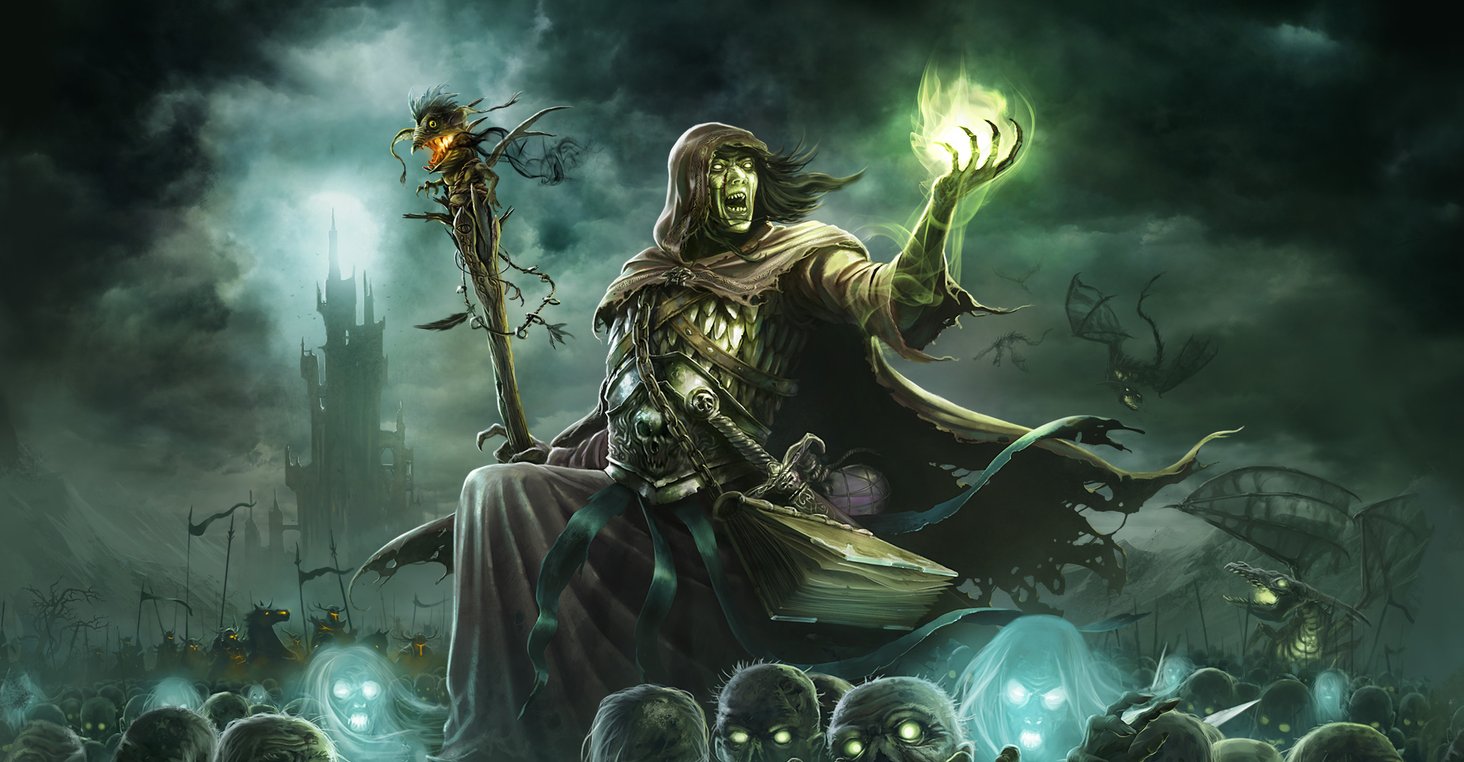
The Necromancer’s Pledge: A Journey into the Dark Arts

thegriffithdc.com – In the annals of fantasy literature and role-playing games, the figure of the necromancer often looms large, shrouded in mystery and wielding powers that straddle the line between life and death. Among these enigmatic practitioners, “The Necromancer’s Pledge” stands out as a pivotal concept, encapsulating the ethos, the risks, and the allure of necromancy. This article delves into the depths of this pledge, exploring its implications, its origins, and its impact on the worlds of fiction and imagination.

The Origins of the Necromancer’s Pledge

The Necromancer’s Pledge is a term that has been popularized in various fantasy settings, including novels, games, and online communities. It refers to the vow taken by those who choose to walk the path of necromancy, a discipline that involves the manipulation of death, the undead, and the forces that bind life and the afterlife. This pledge is not merely a formality; it is a profound commitment to a way of life that is often misunderstood and feared by the uninitiated.

The Ethos of the Pledge

At its core, The Necromancer’s Pledge embodies the principles that guide the necromancer’s actions. These principles can vary widely depending on the source material, but they often include a deep respect for the balance between life and death, a commitment to understanding the mysteries of the afterlife, and a vow to use necromantic powers responsibly. For some necromancers, this pledge also involves a promise to protect the living from the dangers that lurk beyond the veil of death.

The Risks and Rewards

Taking The Necromancer’s Pledge is not without its risks. The path of the necromancer is fraught with peril, both from the living who may view their practices as abhorrent and from the undead and other dark forces that the necromancer must learn to control. However, for those who are willing to face these challenges, the rewards can be immense. Necromancers gain access to powers that can turn the tide of battle, uncover ancient secrets, and even cheat death itself.

The Impact on Fantasy Worlds

In the realms of fantasy, The Necromancer’s Pledge has become a symbol of the complex moral landscape that defines the necromancer’s existence. It has inspired countless stories, from epic tales of heroism and villainy to more nuanced explorations of the ethical dilemmas faced by those who dabble in the dark arts. This pledge has also played a significant role in the development of necromancer characters in role-playing games, where players must navigate the consequences of their decisions in a world that is often unforgiving.

Conclusion

The Necromancer’s Pledge is more than just a vow; it is a gateway into a realm of magic and mystery that has captivated the imaginations of readers and gamers alike. It represents the duality of necromancy, a practice that is both feared and revered for its power to bridge the gap between the living and the dead. As fantasy literature and games continue to evolve, The Necromancer’s Pledge remains a testament to the enduring fascination with the dark arts and the complex characters who wield them.

A Journey of Friendship: Together Through Time

In the grand tapestry of human relationships, friendship stands out as a vibrant thread that weaves through the fabric of our lives, connecting us to others in profound and enduring ways. It is a bond that transcends the boundaries of time, evolving and deepening as we navigate the journey of life together. This article explores the essence of friendship, its significance through the ages, and the lessons we can learn from these timeless connections.

The Foundation of Friendship

Friendship is built on a foundation of mutual respect, trust, and understanding. It is a relationship that is chosen, not by the circumstances of birth or societal expectations, but by the genuine affection and camaraderie that develops between individuals. This choice imbues friendship with a unique power—the power to uplift, to inspire, and to endure.

A Journey Through Time

The journey of friendship is marked by shared experiences, both joyous and challenging. It is through these moments that friendships are tested and strengthened. As time passes, friends may find themselves in different life stages, facing new challenges and opportunities. Yet, the bonds of friendship remain, a constant in the ever-changing landscape of life.

The School Years

Friendships often begin in the innocence of childhood, where the simplest of shared interests—a love for a particular game, a favorite book, or a common curiosity—can spark a lasting connection. These early friendships lay the groundwork for understanding the value of companionship and support.

The Challenges of Adolescence

Adolescence brings its own set of challenges, as friends navigate the complexities of growing up together. It is a time when the support of friends can be a lifeline, offering a sense of belonging and understanding amidst the turmoil of change.

The Transitions of Adulthood

As friends enter adulthood, the journey takes on new dimensions. Life paths diverge, and friends may find themselves in different cities, careers, or life stages. Despite these changes, the bonds of friendship can remain strong, sustained by the memories and experiences shared.

Lessons from the Journey

The journey of friendship teaches us many valuable lessons. It teaches us about loyalty, the importance of being there for one another through thick and thin. It teaches us about empathy, the ability to understand and share the feelings of another. And perhaps most importantly, it teaches us about love—a love that is not defined by blood or obligation, but by choice and mutual affection.

The Enduring Power of Friendship

In a world that is often marked by transience and superficial connections, the enduring power of friendship stands as a testament to the depth of human connection. It reminds us that, no matter where life may take us, we are not alone on our journey. Together, through the good times and the bad, we find strength in the bonds of friendship.

Conclusion

“Together Through Time: A Journey of Friendship” is more than just a narrative; it is a celebration of the human spirit and its capacity for connection. It is a reminder that, in the grand scheme of things, it is not the achievements or the accolades that define us, but the relationships we build and the love we share. As we continue on our journey, let us cherish the friendships that enrich our lives and hold onto the hope that, together, we can face whatever the future may hold.