A Comprehensive Guide: The Art of Wedding Planning

thegriffithdc.com – Planning a wedding is an intricate and emotional journey that requires careful consideration and meticulous planning. It’s not just about the big day but also about creating memories that last a lifetime. This guide will walk you through the essential steps and tips to ensure your wedding planning process is smooth and enjoyable.

Understanding the Basics

Budgeting

The first step in wedding planning is setting a budget. This will help you determine what you can afford and guide your decisions on everything from the venue to the number of guests. It’s crucial to be realistic and consider all potential expenses, including hidden costs like taxes and gratuities.

Timeline and Checklists

Creating a detailed timeline and comprehensive checklists is fundamental to successful wedding planning. This helps you stay organized and ensures that all tasks are completed on time. Break down the planning process into manageable sections and assign deadlines to each task.

Choosing the Right Venue

Finding the perfect venue is one of the most important decisions you’ll make. Consider the size, location, and style of the venue to match your wedding theme and guest count. It’s also essential to visit potential venues in person to get a feel for the space and its ambiance.

Selecting Vendors

Choosing the right vendors is crucial for a seamless wedding day. This includes finding a reliable caterer, a skilled photographer, and a talented DJ or band. It’s advisable to interview multiple vendors and check their references to ensure they meet your expectations and fit within your budget.

Planning the Ceremony and Reception

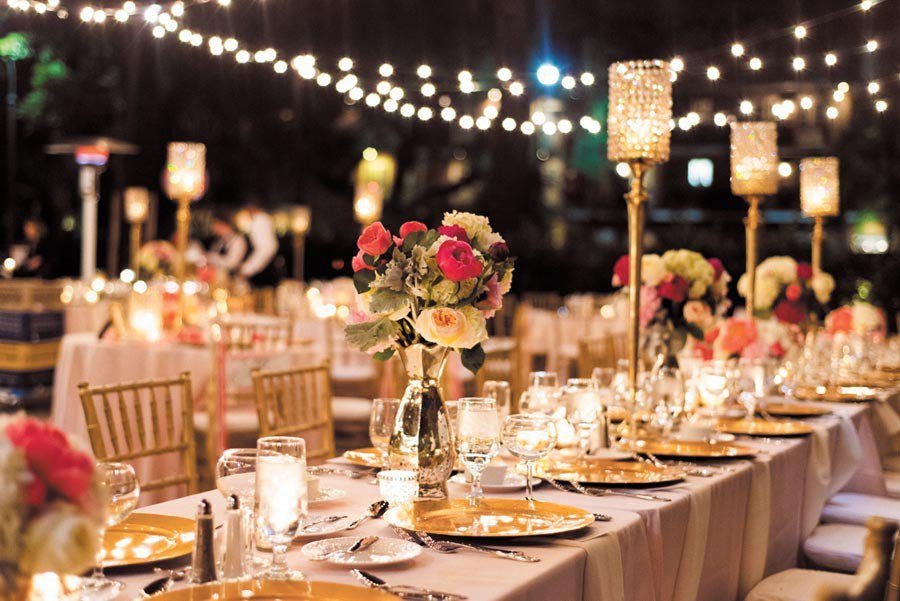
The ceremony and reception are the heart of the wedding day. Decide on the type of ceremony you want (religious, civil, or symbolic) and the style of the reception (formal, casual, or themed). Consider the flow of the day, including the order of events and any special traditions you wish to include.

Personalizing Your Wedding

Every couple has unique preferences and interests. Incorporate personal touches that reflect your personalities and relationship. This could be anything from the music playlist to the decor and even the menu. Personalization makes your wedding truly special and memorable.

Managing Stress and Enjoying the Process

Wedding planning can be stressful, especially as the big day approaches. It’s important to manage stress by setting realistic expectations, delegating tasks, and taking breaks when needed. Remember, the goal is to enjoy the process and celebrate your love with family and friends.

Emerging Trends and Innovations

Keep an eye on emerging trends and innovative ideas in wedding planning. This could include eco-friendly options, interactive experiences for guests, or unique themes that reflect current cultural and social trends. Staying informed can help you plan a wedding that is both timeless and cutting-edge.

Conclusion

Planning a wedding is a beautiful journey that requires careful planning and attention to detail. By following these steps and tips, you can create a wedding day that is not only memorable but also a true reflection of your love and personalities. Enjoy every moment of the planning process and look forward to celebrating your special day with those you love.
A Visual Journey: Christian Art and Architecture

thegriffithdc.com – Christian art and architecture have been instrumental in shaping the visual landscape of the Christian faith for centuries. From the earliest catacombs to the soaring spires of Gothic cathedrals, the visual expressions of Christian belief have been a powerful means of conveying theological concepts, historical narratives, and the beauty of the divine. This article embarks on a visual journey through the rich tapestry of Christian art and architecture, exploring its evolution, key features, and the profound messages it conveys.

The Early Christian Period: Hidden Symbols and Catacombs

The early Christian period, marked by persecution and secrecy, saw the development of a symbolic language that allowed believers to express their faith discreetly. The catacombs, underground burial places, were adorned with frescoes depicting biblical scenes, symbols like the fish (ichthys), and the Good Shepherd, reflecting the hope of resurrection and the communal aspect of Christian life.

The Byzantine Era: Mosaics and Icons

With the rise of the Byzantine Empire, Christian art flourished, characterized by the use of gold, intricate mosaics, and the veneration of icons. The Hagia Sophia in Istanbul, with its massive dome and breathtaking interior, stands as a testament to the architectural achievements of this era. Icons, flat and stylized images of saints and biblical figures, played a central role in worship and devotion, bridging the spiritual and the material.

Romanesque Architecture: Solid and Symbolic

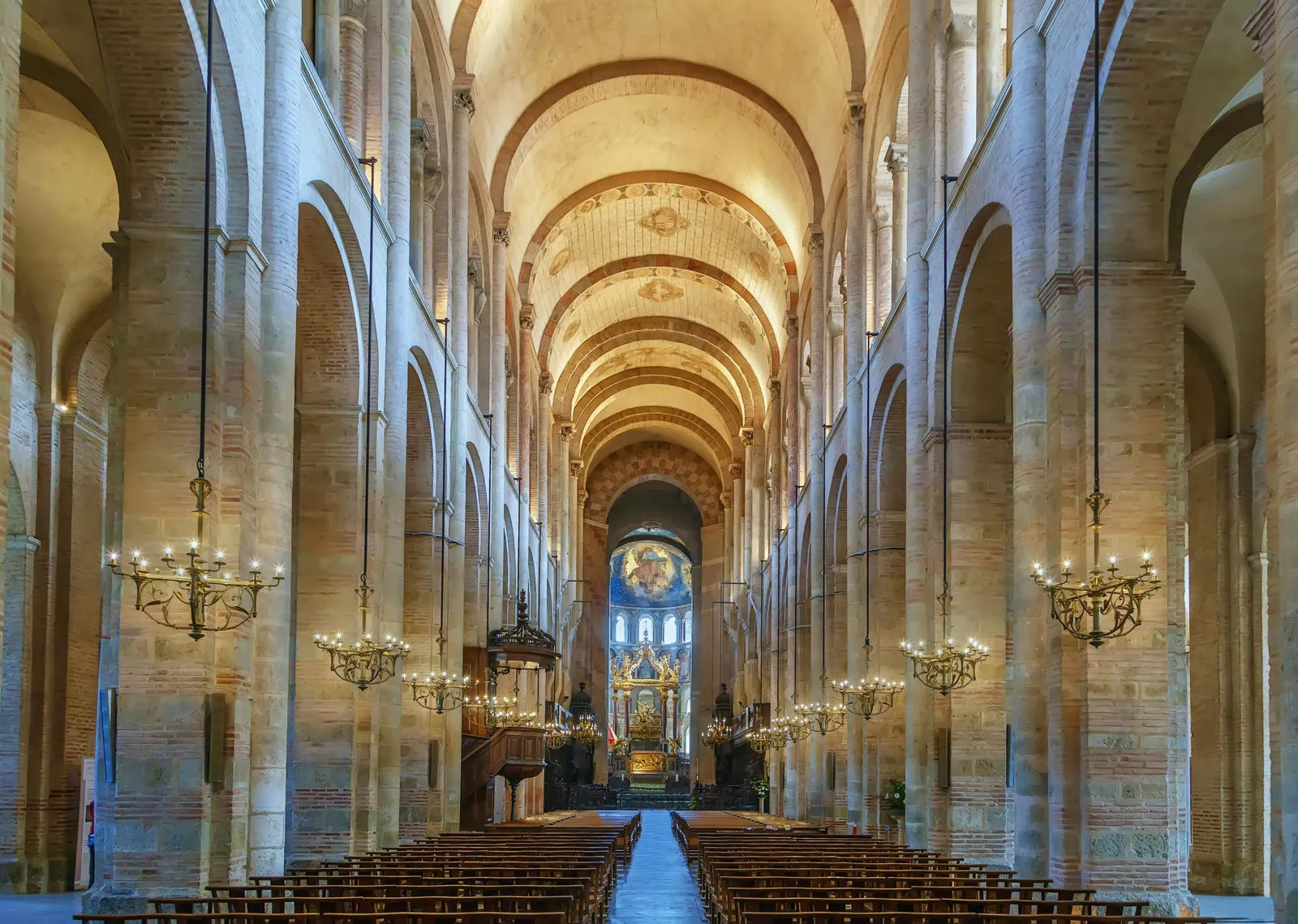
The Romanesque period, spanning the 10th to the 12th centuries, is marked by its solid, fortress-like structures, rounded arches, and the use of stone. Churches like the Abbey of Cluny in France and the Cathedral of Pisa in Italy exemplify the Romanesque style, with their emphasis on strength and stability, reflecting the solidity of faith.

Gothic Splendor: Light and Verticality

The Gothic era, from the 12th to the 16th centuries, introduced revolutionary architectural techniques such as the pointed arch, ribbed vault, and flying buttress, allowing for taller buildings filled with light. Cathedrals like Notre-Dame in Paris and Chartres in France soar towards heaven, their stained glass windows telling stories of salvation and divine glory.

Renaissance and Baroque: Humanism and Emotion

The Renaissance and Baroque periods brought a renewed focus on humanism and emotion, reflected in art and architecture. Michelangelo’s Sistine Chapel ceiling and Bernini’s sculptures in St. Peter’s Basilica in Rome are prime examples of this era’s emphasis on beauty, drama, and the celebration of human achievement within the context of faith.

Modern Christian Art and Architecture

In the modern era, Christian art and architecture have continued to evolve, incorporating new materials, technologies, and artistic expressions. Buildings like the Chapel of Notre Dame du Haut in Ronchamp, France, by Le Corbusier, and the art of artists like Georges Rouault and Stanley Spencer, reflect the ongoing dialogue between faith and the contemporary world.

Conclusion

Christian art and architecture offer a visual journey through the history of Christian faith and practice. From the hidden symbols of the catacombs to the soaring spires of Gothic cathedrals, and the innovative designs of modern churches, these visual expressions have served as powerful tools for teaching, worship, and reflection. They continue to inspire and challenge believers and non-believers alike, reminding us of the enduring power of beauty to convey the mysteries of the divine.

The Devil in Art and Literature: The Shadow of Satan

thegriffithdc.com – Throughout history, the figure of Satan has been a source of fascination and fear, embodying the ultimate evil and the seductive power of temptation. In art and literature, Satan has been depicted in various forms, from the grotesque and terrifying to the sublime and tragic. This article explores the multifaceted representation of the devil in artistic and literary works, tracing the evolution of his image and the impact it has had on culture.

The Origins of Satan in Art

The depiction of Satan in art dates back to early Christian times, where he was often portrayed as a monstrous creature, half-beast and half-human, designed to instill terror in the faithful. These early representations were influenced by the descriptions found in the Bible, particularly in the Book of Revelation, where Satan is described as a dragon.

Medieval and Renaissance Art

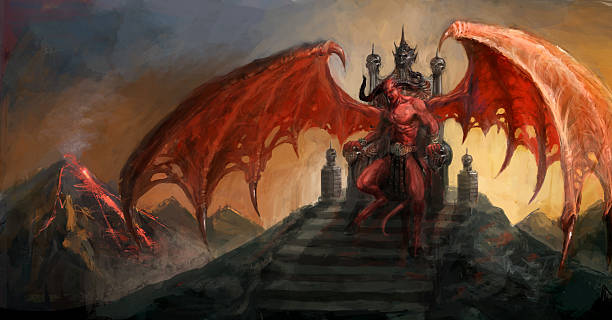
During the Middle Ages, the depiction of Satan became more elaborate, with artists drawing on a rich tapestry of religious and folkloric traditions. The devil was often shown as a grotesque figure with horns, a tail, and cloven hooves, presiding over the torments of the damned in hell.

The Renaissance brought a more humanized and sometimes even sympathetic portrayal of Satan. In Dante’s “Inferno,” for example, Satan is a tragic figure, frozen in the ice of the ninth circle of hell, chewing on the traitors Judas, Brutus, and Cassius. This portrayal reflects the humanist values of the time, which sought to understand the complexities of human nature, even in its most wicked forms.

Satan in Literature

In literature, Satan has been a recurring character, often serving as a foil to the protagonist or as a symbol of rebellion and free will. One of the most famous literary depictions of Satan is in John Milton’s “Paradise Lost,” where he is portrayed as a noble and charismatic leader of the rebel angels, embodying the tragic hero archetype.

The Romantic period saw a shift in the portrayal of Satan, with many writers and poets, such as William Blake and Percy Bysshe Shelley, viewing him as a symbol of rebellion against tyranny and oppression. This reinterpretation of Satan as a heroic figure challenged traditional religious views and reflected the political and social upheavals of the time.

Modern Interpretations

In the 20th and 21st centuries, the figure of Satan has continued to evolve, with artists and writers drawing on the devil’s rich symbolic potential to explore themes of evil, power, and morality. In film and popular culture, Satan has been depicted in various forms, from the demonic antagonist in horror movies to the mischievous trickster in television shows.

Conclusion

The representation of Satan in art and literature is a testament to the enduring fascination with the concept of evil and the complexities of human nature. From the terrifying demon of medieval art to the tragic hero of Renaissance literature, and the rebellious icon of Romantic poetry, Satan has been a versatile symbol that has adapted to the changing cultural and religious landscape. As society continues to grapple with the nature of good and evil, the figure of Satan remains a powerful and provocative presence in the arts.

Moroccan Horsemanship: The Art of Living with the Noble Steed

thegriffithdc.com – Moroccan horsemanship is a rich and ancient tradition that reflects the deep bond between the Moroccan people and their noble steeds. This art form is not just about riding; it’s a way of life, a philosophy, and a profound connection with the horse that dates back centuries. The Moroccan approach to horsemanship is characterized by respect, patience, and a deep understanding of the horse’s nature.

The Historical Roots of Moroccan Horsemanship

The history of Moroccan horsemanship is as old as the history of Morocco itself. Horses have played a crucial role in the country’s culture and military history. The Barb horse, native to North Africa, is the foundation of Moroccan horsemanship. Known for its endurance, intelligence, and agility, the Barb has been a companion to the Moroccan people through the ages. The art of horsemanship was developed and refined over centuries, with influences from the Berber, Arab, and Andalusian cultures.

The Philosophy Behind Moroccan Horsemanship

At the heart of Moroccan horsemanship is a philosophy that emphasizes harmony and mutual respect between horse and rider. This approach is based on the belief that the horse is a noble creature that deserves respect and understanding. The Moroccan horseman seeks to establish a bond with the horse, based on trust and communication, rather than domination. This philosophy is reflected in the training methods, which are gentle and patient, focusing on understanding the horse’s behavior and needs.

The Art of Training in Moroccan Horsemanship

Training in Moroccan horsemanship is a meticulous process that begins with the foal. The training is gradual and focuses on building a relationship with the horse. The use of force is minimized, and instead, the trainer relies on patience, kindness, and understanding. The goal is to develop the horse’s natural abilities while ensuring its well-being and happiness. The training also includes the art of dressage, which is performed with elegance and precision, showcasing the bond between the horse and rider.

The Role of Festivals in Celebrating Moroccan Horsemanship

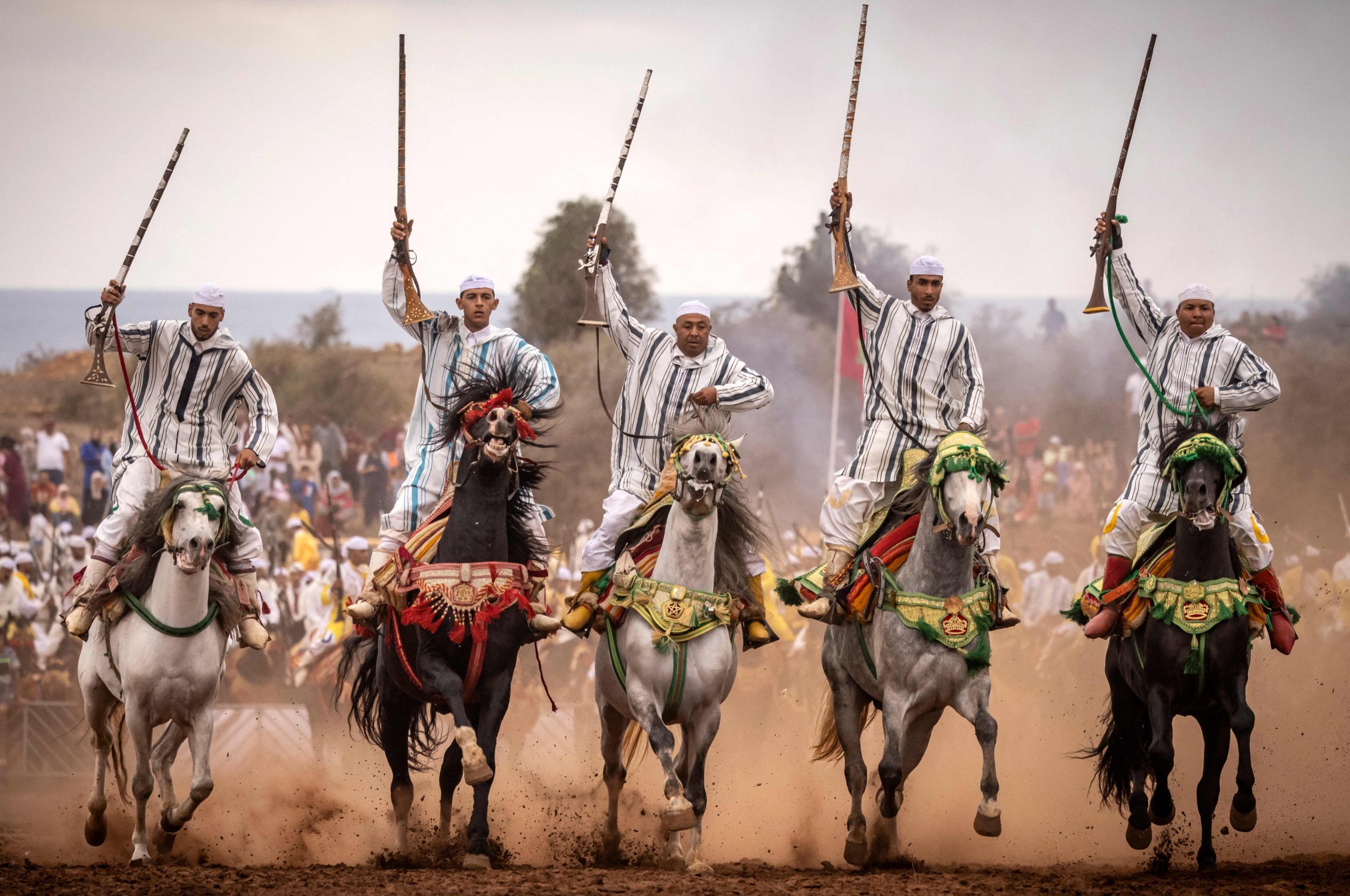
Moroccan horsemanship is celebrated and preserved through various festivals and events throughout the country. The most famous of these is the Fantasia, a traditional display of horsemanship that dates back to the 12th century. During the Fantasia, hundreds of riders dressed in traditional attire charge across the field and fire their rifles into the air in a breathtaking display of skill and courage. These events are not only a celebration of Moroccan culture but also an opportunity for the younger generation to learn and carry forward the traditions of Moroccan horsemanship.

The Future of Moroccan Horsemanship

As Morocco continues to modernize, the art of Moroccan horsemanship faces new challenges. However, there is a growing movement to preserve and promote this ancient tradition. Through education, festivals, and international competitions, Moroccan horsemanship is finding new ways to thrive in the modern world. The deep bond between the Moroccan people and their horses remains as strong as ever, ensuring that the art of Moroccan horsemanship will continue to be celebrated for generations to come.

Conclusion

Moroccan horsemanship is more than just a skill; it’s a way of life that embodies the values of respect, patience, and understanding. This ancient tradition continues to be a source of pride and identity for the Moroccan people. As we look to the future, it is clear that the art of living with the noble steed will remain an integral part of Morocco’s rich cultural heritage.

How Animals Hide in Plain Sight: The Art of Camouflage

thegriffithdc.com – In the vast and varied landscapes of the natural world, survival often depends on the ability to blend in. This is where the art of camouflage comes into play, a remarkable adaptation that allows animals to hide in plain sight. From the depths of the ocean to the canopies of rainforests, creatures have developed an array of strategies to avoid predators, stalk prey, or simply evade detection. This article delves into the fascinating world of animal camouflage, exploring the different techniques and the evolutionary marvels that make it possible.

The Science of Disguise

Camouflage is not just about looking like the surroundings; it’s a complex interplay of color, pattern, texture, and behavior. The primary goal is to break the outline of the animal’s body, making it less recognizable to others. There are several types of camouflage, each with its own set of strategies:

  1. Mimicry: Some animals mimic the appearance of objects in their environment. For example, the leaf insect closely resembles a leaf, down to the veins and edges, making it nearly indistinguishable when resting on a branch.
  2. Disruptive Patterning: This technique involves high-contrast patterns that break up the body outline. The giraffe’s coat is a classic example, where the irregular patches make it difficult to discern the animal’s true shape.
  3. Countershading: Many marine animals, such as sharks and dolphins, are darker on top and lighter on the bottom. This helps them blend in with the water’s varying light levels, making them less visible from above and below.
  4. Transparency and Translucency: Some oceanic creatures, like certain jellyfish and comb jellies, are nearly transparent or translucent, allowing them to blend seamlessly with the water.
  5. Active Camouflage: Some animals can change their appearance in real-time to match their surroundings. The chameleon is famous for this ability, as are cephalopods like the octopus and cuttlefish, which can alter both their color and texture.

The Evolutionary Advantage

Camouflage is a product of natural selection, where the ability to remain unseen has provided a significant survival advantage. For prey species, it means avoiding the gaze of predators, while for predators, it allows them to approach their targets unnoticed. The intricate patterns and colors seen in nature are a testament to the power of camouflage as an evolutionary strategy.

The Role of Behavior

While physical adaptations play a crucial role in camouflage, behavior is equally important. Many animals choose their resting spots carefully to maximize their concealment. The way they hold their bodies, the timing of their movements, and even their posture can enhance their camouflage. For instance, a caterpillar might freeze in a position that aligns with the branch it’s on, or a bird might angle its body to match the pattern of the bark behind it.

The Human Fascination with Camouflage

Humans have long been fascinated by the art of camouflage, not just in animals but in warfare and fashion as well. Military camouflage patterns draw inspiration from the natural world, aiming to break up the human form and blend with various environments. In fashion, designers sometimes incorporate camouflage patterns into clothing, celebrating the aesthetic appeal of blending in.

Conclusion

The art of camouflage is a testament to the incredible diversity and ingenuity of life on Earth. It showcases the lengths to which animals will go to survive and thrive in their environments. From the simplest of patterns to the most complex changes in appearance, camouflage is a fascinating subject that bridges the fields of biology, physics, and art. As we continue to study these remarkable adaptations, we gain a deeper appreciation for the intricate dance of life and the endless ways in which it finds to express itself.

Mastering the Art of the Perfect Date: First Impressions

In the intricate dance of human connection, first impressions are the overture that sets the tone for the entire symphony of a relationship. When it comes to dating, making a perfect first impression can be the difference between a fleeting encounter and a lasting connection. Mastering the art of the perfect date is not just about looking your best or choosing the right venue; it’s about creating an experience that is memorable, comfortable, and true to who you are. Here’s how to make your first date a masterpiece of connection.

Preparation is Key

Before the date even begins, the groundwork for a perfect first impression is laid. This starts with choosing the right outfit, something that makes you feel confident and comfortable. Remember, the goal is not to impress your date with the latest fashion trends but to present an authentic version of yourself.

Next, select a venue that offers a conducive environment for conversation and comfort. A quiet café, a scenic park, or a cozy restaurant can provide the perfect backdrop for getting to know each other without the distraction of loud music or a bustling crowd.

Mindfulness and Presence

On the day of the date, mindfulness and presence are your greatest allies. Arrive on time, or even a few minutes early, to show respect for your date’s time and to give yourself a moment to center and relax. When your date arrives, greet them with a warm smile and a friendly demeanor. Remember, your body language speaks volumes before you even utter a word.

The Art of Conversation

Conversation is the heart of a perfect date. It’s not about dazzling your date with tales of your achievements but about creating a dialogue that is engaging, interesting, and mutually enjoyable. Ask open-ended questions to encourage your date to share more about themselves. Listen actively, showing genuine interest in their responses. This not only makes your date feel valued but also provides you with insights into their personality and interests.

Sharing and Vulnerability

While it’s important to keep the conversation light and enjoyable, don’t shy away from sharing a bit of vulnerability. Sharing a personal story or a moment of self-doubt can create a deeper connection, as it shows your human side and encourages your date to do the same. However, balance is key; ensure that the conversation remains a two-way street, and avoid oversharing or dominating the dialogue.

The Power of Positivity

Positivity is infectious. Approach your date with an optimistic outlook, focusing on the opportunity to meet someone new and potentially create a meaningful connection. Avoid negative topics such as complaints about work or personal issues. Instead, steer the conversation towards positive experiences, dreams, and aspirations.

Closing Thoughts

As the date comes to an end, offer a sincere thank you for the time spent together. Whether there’s a spark or not, treating your date with kindness and respect is paramount. If you’re interested in seeing them again, express your desire for a second date. If not, be honest but gentle in your communication.

Mastering the art of the perfect date is about more than just making a good impression; it’s about creating an environment where two people can genuinely connect and explore the possibility of a shared future. By focusing on preparation, mindfulness, engaging conversation, vulnerability, and positivity, you can turn any first date into a memorable experience that could be the beginning of something beautiful.