The Giants of the Sea: Whale Watch

thegriffithdc.com – The oceans are home to some of the most majestic and awe-inspiring creatures on Earth, none more so than the whales. These giants of the sea have fascinated humans for centuries, with their immense size, powerful presence, and mysterious behaviors. In this article, we delve into the world of whales, exploring their biology, behavior, and the conservation efforts aimed at protecting these magnificent animals.

The Biology of Whales

Whales are mammals belonging to the suborder Odontoceti (toothed whales) and Mysticeti (baleen whales). They range in size from the diminutive 2.6-meter-long Maui’s dolphin to the colossal blue whale, which can reach lengths of up to 30 meters and weigh as much as 200 tons. The anatomy of whales is perfectly adapted to life in the water, with a streamlined body, powerful tail flukes for propulsion, and a layer of blubber for insulation.

Whale Behavior and Social Structure

Whales are known for their complex social structures and communication methods. Many species, such as humpback whales, are known for their intricate songs, which can travel for hundreds of miles underwater. These songs are believed to play a role in mating rituals and social bonding. Whales also exhibit remarkable intelligence and have been observed engaging in cooperative behaviors, such as group hunting and caring for the young.

The Importance of Whales in Marine Ecosystems

Whales play a crucial role in maintaining the balance of marine ecosystems. They are keystone species, meaning their presence is essential for the health and stability of the ecosystem. Whales help to regulate the population of their prey, such as krill and small fish, and their movements help to distribute nutrients throughout the ocean, a process known as the “whale pump.”

Conservation Efforts for Whales

Despite their size and strength, whales face numerous threats, including pollution, habitat destruction, and entanglement in fishing gear. One of the most significant threats in the past was commercial whaling, which decimated populations of many species. Thankfully, international agreements, such as the International Whaling Commission’s moratorium on commercial whaling, have helped to protect whales. Conservation organizations and governments are working together to enforce regulations, conduct research, and educate the public about the importance of preserving these magnificent creatures.

Conclusion

Whales are not only fascinating to observe but also vital to the health of our planet’s oceans. As we continue to learn more about these giants of the sea, it is our responsibility to ensure their survival for future generations. By supporting conservation efforts and advocating for the protection of marine habitats, we can help to safeguard the whales and the countless other species that depend on them for survival.

Exploring the Willamette National Forest in Oregon

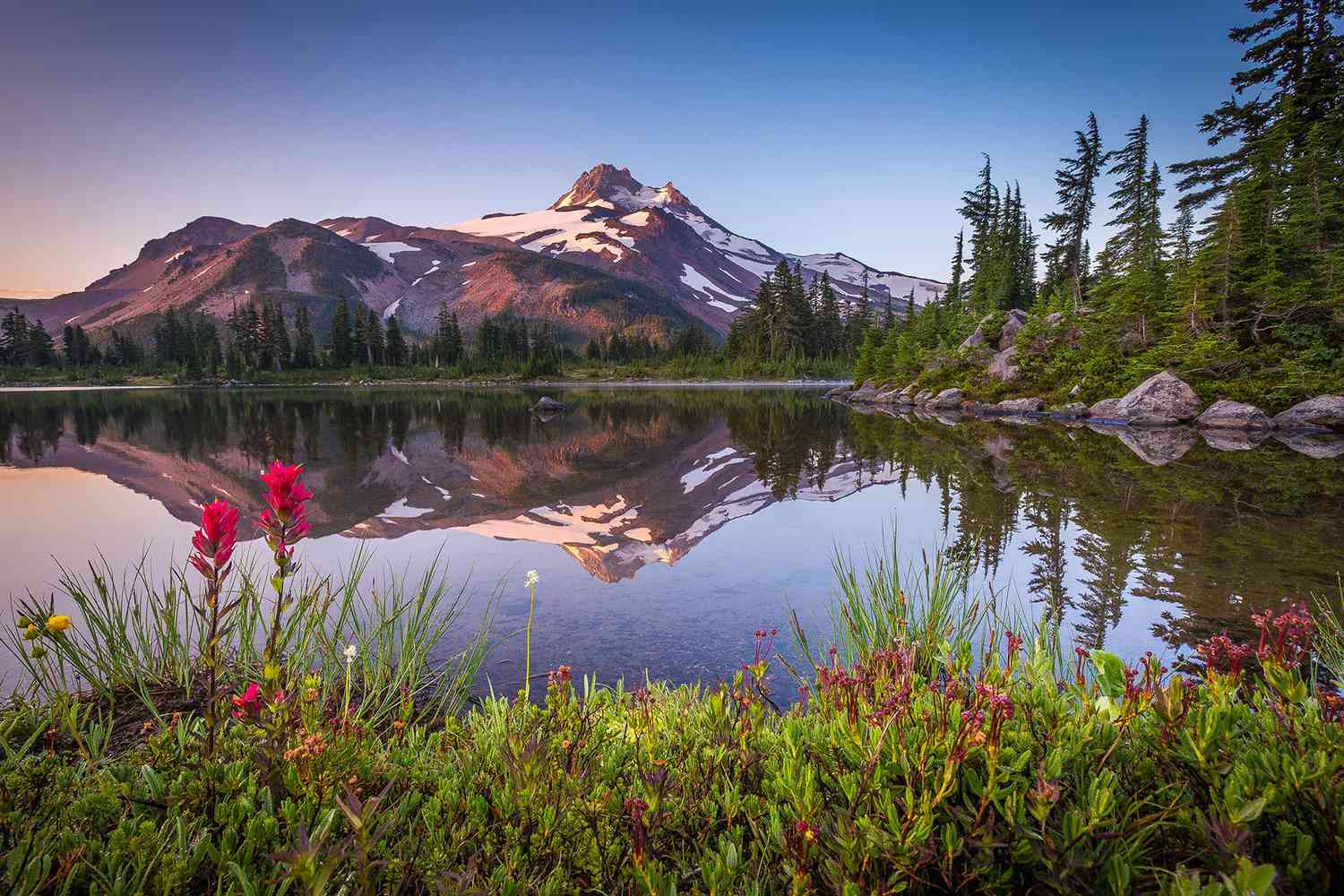
thegriffithdc.com – Nestled within the lush landscapes of the Pacific Northwest, the Willamette National Forest is a sprawling natural wonderland that beckons adventurers, nature enthusiasts, and those seeking a respite from the hustle and bustle of urban life. Spanning over 1.6 million acres, this forest is a testament to the diverse ecosystems and breathtaking beauty that Oregon has to offer.

A Tapestry of Ecosystems

The Willamette National Forest is characterized by its diverse ecosystems, ranging from dense forests of Douglas fir and western hemlock to the vibrant wildflower-filled meadows that burst into color during the spring. The forest is also home to a variety of wildlife, including black bears, cougars, elk, and numerous bird species. These diverse habitats make the forest an ideal destination for wildlife viewing and photography.

Outdoor Recreation Galore

For those looking to immerse themselves in the great outdoors, the Willamette National Forest offers a plethora of recreational activities. Hiking trails wind through the forest, providing access to stunning vistas, serene lakes, and cascading waterfalls. The Pacific Crest Trail, a renowned long-distance hiking trail, traverses the forest, offering a glimpse into the backcountry for those willing to venture off the beaten path.

Fishing enthusiasts will find joy in the forest’s numerous streams and lakes, which are stocked with trout and other fish species. The forest is also a prime destination for mountain biking, with trails that cater to all skill levels, from beginner to expert.

A Sanctuary for History and Culture

Beyond its natural beauty, the Willamette National Forest is rich in history and culture. The forest is dotted with remnants of the Oregon Trail, offering a glimpse into the lives of the pioneers who traversed this land. Additionally, the forest is home to several Native American tribes, whose heritage and traditions are deeply intertwined with the land.

Preserving the Forest for Future Generations

The management of the Willamette National Forest is committed to preserving its natural resources for future generations. Sustainable forestry practices, wildlife conservation efforts, and environmental education programs are all part of the forest’s management strategy. Visitors are encouraged to practice Leave No Trace principles to ensure that the forest remains pristine for those who follow.

Planning Your Visit

Whether you’re planning a day trip or an extended stay, the Willamette National Forest offers something for everyone. Before visiting, it’s important to check the current conditions and regulations, as they can vary depending on the season and recent events such as wildfires or weather conditions. Camping, both in designated campgrounds and in backcountry sites, is available for those looking to spend the night under the stars.

In conclusion, the Willamette National Forest is a gem of the Pacific Northwest, offering a unique blend of natural beauty, outdoor adventure, and cultural richness. A visit to this forest is an opportunity to connect with nature, explore the great outdoors, and experience the tranquility that only a forest can provide.