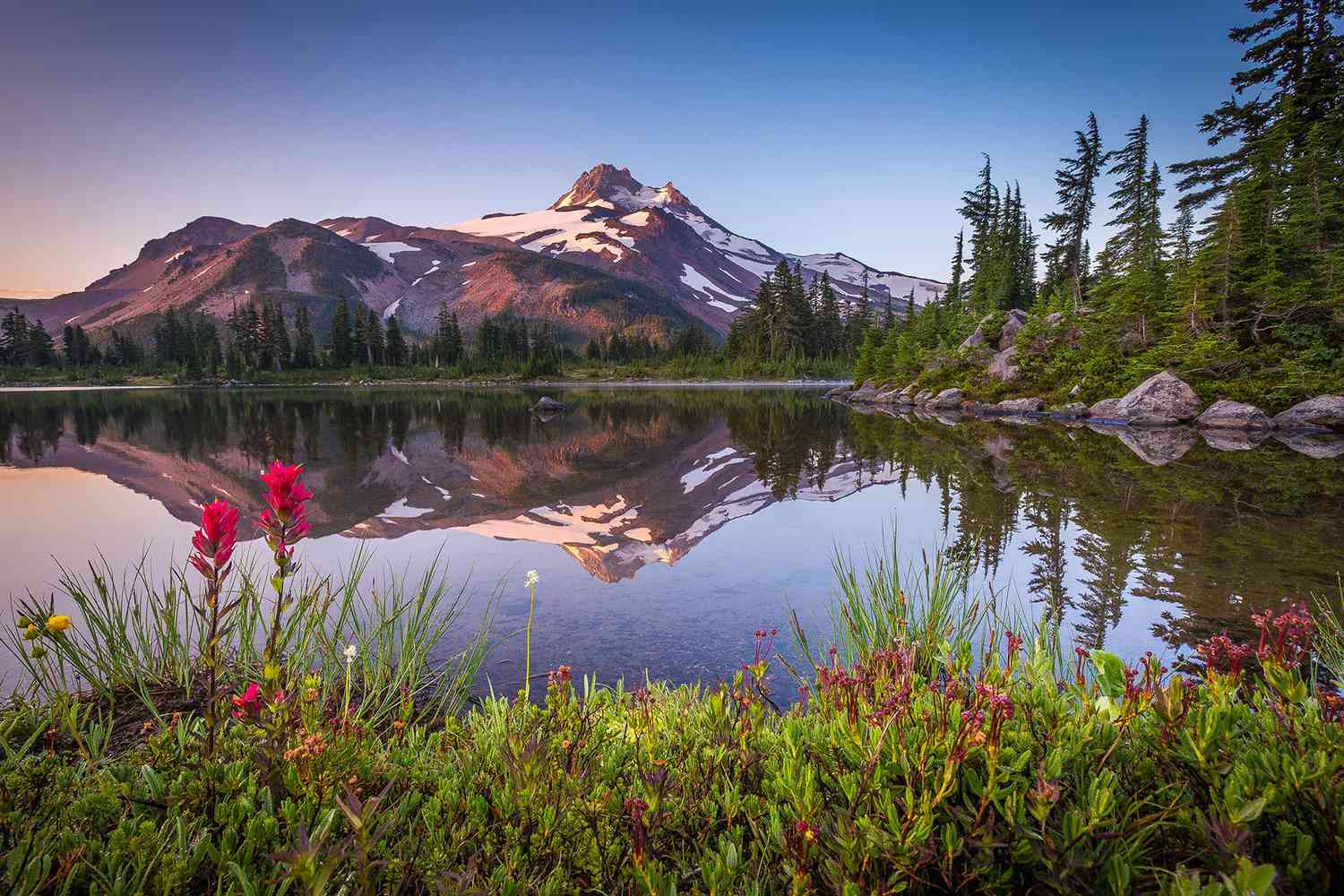
Exploring the Willamette National Forest in Oregon

thegriffithdc.com – Nestled within the lush landscapes of the Pacific Northwest, the Willamette National Forest is a sprawling natural wonderland that beckons adventurers, nature enthusiasts, and those seeking a respite from the hustle and bustle of urban life. Spanning over 1.6 million acres, this forest is a testament to the diverse ecosystems and breathtaking beauty that Oregon has to offer.

A Tapestry of Ecosystems

The Willamette National Forest is characterized by its diverse ecosystems, ranging from dense forests of Douglas fir and western hemlock to the vibrant wildflower-filled meadows that burst into color during the spring. The forest is also home to a variety of wildlife, including black bears, cougars, elk, and numerous bird species. These diverse habitats make the forest an ideal destination for wildlife viewing and photography.

Outdoor Recreation Galore

For those looking to immerse themselves in the great outdoors, the Willamette National Forest offers a plethora of recreational activities. Hiking trails wind through the forest, providing access to stunning vistas, serene lakes, and cascading waterfalls. The Pacific Crest Trail, a renowned long-distance hiking trail, traverses the forest, offering a glimpse into the backcountry for those willing to venture off the beaten path.

Fishing enthusiasts will find joy in the forest’s numerous streams and lakes, which are stocked with trout and other fish species. The forest is also a prime destination for mountain biking, with trails that cater to all skill levels, from beginner to expert.

A Sanctuary for History and Culture

Beyond its natural beauty, the Willamette National Forest is rich in history and culture. The forest is dotted with remnants of the Oregon Trail, offering a glimpse into the lives of the pioneers who traversed this land. Additionally, the forest is home to several Native American tribes, whose heritage and traditions are deeply intertwined with the land.

Preserving the Forest for Future Generations

The management of the Willamette National Forest is committed to preserving its natural resources for future generations. Sustainable forestry practices, wildlife conservation efforts, and environmental education programs are all part of the forest’s management strategy. Visitors are encouraged to practice Leave No Trace principles to ensure that the forest remains pristine for those who follow.

Planning Your Visit

Whether you’re planning a day trip or an extended stay, the Willamette National Forest offers something for everyone. Before visiting, it’s important to check the current conditions and regulations, as they can vary depending on the season and recent events such as wildfires or weather conditions. Camping, both in designated campgrounds and in backcountry sites, is available for those looking to spend the night under the stars.

In conclusion, the Willamette National Forest is a gem of the Pacific Northwest, offering a unique blend of natural beauty, outdoor adventure, and cultural richness. A visit to this forest is an opportunity to connect with nature, explore the great outdoors, and experience the tranquility that only a forest can provide.
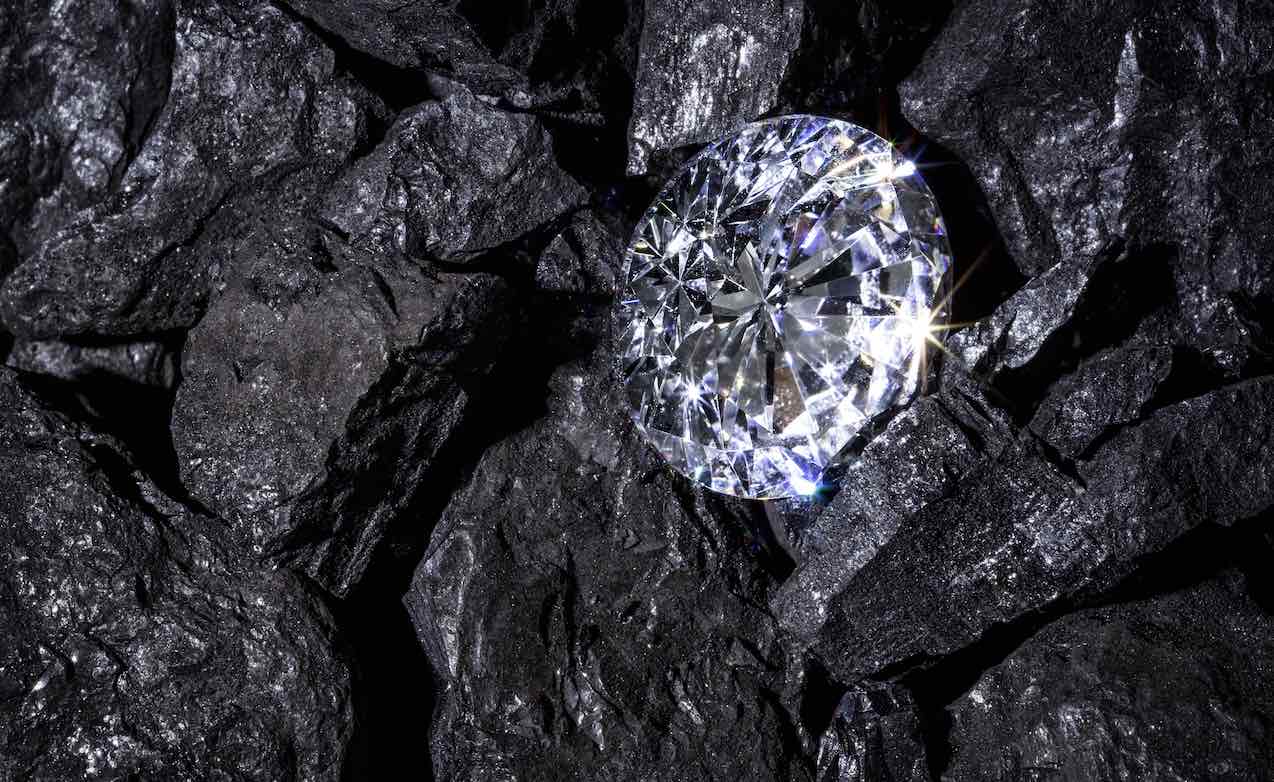
The Ultimate in Luxury: The Earth’s Most Expensive Commodities

thegriffithdc.com – In a world where luxury knows no bounds, the quest for the most exclusive and costly commodities has become a hallmark of the ultra-wealthy. These rare and extravagant items are not just purchases; they are statements of status, taste, and exclusivity. From precious metals to exotic cars, and from high-end real estate to the rarest of collectibles, the earth’s most expensive commodities represent the pinnacle of luxury living. In this article, we delve into the realm of opulence to explore some of the most coveted and costly items money can buy.

Precious Metals and Gems: The Shine of Wealth

Gold and silver have long been symbols of wealth, but for those seeking the ultimate in precious metals, platinum and palladium offer a more exclusive option. These metals are rarer and more expensive, making them the choice for the most luxurious jewelry and watches. Diamonds, known as a girl’s best friend, are among the most sought-after gems, with the rarest and largest stones fetching astronomical prices at auctions worldwide. Colored diamonds, such as pinks and blues, are even more valuable due to their rarity.

Automotive Masterpieces: The Thrill of the Drive

The automotive world is home to some of the most expensive commodities on the planet. Hypercars like the Bugatti Chiron and the Koenigsegg Jesko represent the pinnacle of automotive engineering, combining extreme performance with luxurious finishes. These cars are not just modes of transportation; they are works of art, with price tags that can exceed several million dollars. For those who prefer vintage, classic cars like the Ferrari 250 GTO are among the most coveted, with individual examples selling for over $70 million.

Real Estate: Palaces of the Elite

Real estate is perhaps the most tangible representation of wealth, with the most expensive properties offering unparalleled luxury and exclusivity. Mansions in prime locations like Beverly Hills, Monaco, and London’s Mayfair district can cost upwards of several hundred million dollars. These properties are not just homes; they are estates complete with helipads, cinemas, bowling alleys, and even private beaches. The most expensive penthouse in the world, located in Monaco, is valued at over a billion dollars.

Art and Collectibles: The Rarest of the Rare

The art world is home to some of the most expensive commodities, with masterpieces by artists like Leonardo da Vinci, Pablo Picasso, and Jean-Michel Basquiat fetching hundreds of millions at auction. Beyond traditional art, collectibles like rare wines, vintage watches, and even comic books can command staggering prices. A single bottle of 1865 Chateau Lafite can cost over $200,000, while a Rolex Bao Dai sold for over $5 million at auction.

Yachts and Private Jets: The Freedom of the Skies and Seas

For those who desire the ultimate in travel luxury, yachts and private jets offer unparalleled freedom and exclusivity. Superyachts like the “Eclipse,” owned by Russian billionaire Roman Abramovich, cost over $1 billion and come equipped with features like submarines and missile defense systems. Private jets, such as the Airbus A380, can be customized to the most luxurious standards, with price tags exceeding $500 million.

Conclusion: The Allure of the Exclusive

The earth’s most expensive commodities represent the ultimate in luxury and exclusivity. They are not just items of value but symbols of achievement, status, and taste. For those who can afford them, these commodities offer a glimpse into a world where the sky is not the limit, but merely the beginning of endless possibilities. Whether it’s the shine of precious metals, the thrill of a hypercar, the grandeur of a mansion, the beauty of a masterpiece, or the freedom of a private jet, the allure of the exclusive is a powerful force that continues to shape the world of luxury.

Exploring Iran’s Cultural Heritage: Persian Splendor

Nestled between the Caspian Sea and the Persian Gulf, Iran, formerly known as Persia, is a land steeped in history and culture. Its strategic location at the crossroads of the East and West has made it a melting pot of civilizations, resulting in a rich tapestry of cultural heritage. From the grandeur of its ancient architecture to the intricacy of its art and the depth of its poetry, Iran’s cultural heritage is a testament to the enduring spirit of its people.

The Ancient Roots:
Iran’s cultural heritage dates back to the Elamite and Achaemenid civilizations, which laid the foundations of Persian culture. The Achaemenid Empire, established by Cyrus the Great in the 6th century BCE, was one of the largest empires of the ancient world, known for its administrative innovations and respect for cultural diversity. The ruins of Persepolis, the ceremonial capital, stand today as a symbol of the empire’s opulence and architectural prowess.

Architectural Marvels:
Iranian architecture is a blend of functionality and artistry, characterized by its use of geometry and symmetry. The country is home to numerous UNESCO World Heritage Sites, including the Naqsh-e Jahan Square in Isfahan, a masterpiece of Islamic architecture. The square, with its stunning Sheikh Lotfollah Mosque and the majestic Ali Qapu Palace, showcases the harmonious integration of religious and secular spaces.

The Gardens of Paradise:
Persian gardens, or “pairidaeza” (from which the English word “paradise” is derived), are not just landscapes but a reflection of the cosmos. The Charbagh layout, with its four-quarter division symbolizing the four elements of nature, is a recurring theme in Persian garden design. The Eram Garden in Shiraz and the Fin Garden in Kashan are prime examples of this tradition, offering serene retreats amidst the bustling life of the cities.

Artistic Brilliance:
Iran’s artistic heritage is as diverse as it is exquisite. Miniature painting, calligraphy, and ceramics are among the country’s most celebrated art forms. The intricate designs and vibrant colors of Persian carpets are renowned worldwide, each piece telling a story through its patterns and motifs. The city of Kerman is famous for its carpet-weaving tradition, while the city of Kashan is known for its silk production and fine textiles.

Literary Legacy:
Persian literature is a treasure trove of poetry and prose that has influenced countless writers and poets across the globe. Figures like Ferdowsi, Rumi, Hafez, and Saadi have left an indelible mark on the world with their works. The Shahnameh, or The Book of Kings, by Ferdowsi, is the national epic of Iran, encapsulating the history and mythology of the Persian Empire.

The Persian New Year:
Nowruz, the Persian New Year, is one of the oldest celebrations in the world, marking the first day of spring. It is a time for family gatherings, festivities, and the traditional Haft-Seen table, which includes seven items symbolizing hope, health, and prosperity. Nowruz is a testament to the resilience and continuity of Persian culture.

Conclusion:
Iran’s cultural heritage is a mosaic of ancient traditions and modern expressions, reflecting the country’s complex history and the creativity of its people. Despite the challenges of the modern world, the spirit of Persian culture continues to thrive, inviting the world to marvel at its splendor and learn from its wisdom. As we explore Iran’s cultural heritage, we are reminded of the universal values of beauty, harmony, and the enduring quest for knowledge that have been cherished by Persians for millennia.