China di Era Modern: Transformasi Ekonomi dan Teknologi yang Mengagumkan

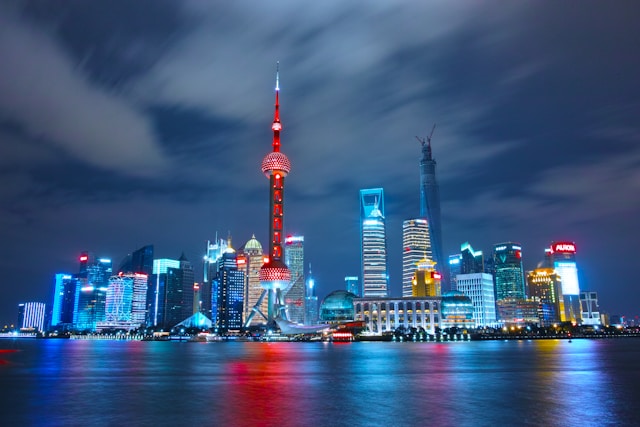
China telah mengalami transformasi luar biasa dalam situs mahjong gacor beberapa dekade terakhir, menjadikannya salah satu kekuatan ekonomi dan teknologi terbesar di dunia. Dari negara agraris yang menghadapi berbagai tantangan di pertengahan abad ke-20, China kini telah berkembang menjadi pusat manufaktur global, dengan pertumbuhan ekonomi yang konsisten dan berkelanjutan. Reformasi ekonomi yang dimulai pada tahun 1978 di bawah kepemimpinan Deng Xiaoping membuka jalan bagi kebijakan keterbukaan dan industrialisasi yang pesat. Melalui strategi seperti investasi besar dalam infrastruktur dan kebijakan “Made in China 2025,” negara ini telah mempercepat pertumbuhan industri dan meningkatkan daya saingnya di panggung internasional.

Di sektor teknologi, China telah menunjukkan kemajuan yang luar biasa, terutama dalam bidang kecerdasan buatan (AI), 5G, dan e-commerce. Perusahaan-perusahaan teknologi besar seperti Huawei, Alibaba, Tencent, dan ByteDance telah memainkan peran kunci dalam membangun ekosistem digital yang luas, mencakup layanan pembayaran digital seperti Alipay dan WeChat Pay, yang telah merevolusi cara masyarakat China bertransaksi. Selain itu, pengembangan jaringan 5G oleh China telah memberikan keunggulan dalam komunikasi dan konektivitas, memungkinkan inovasi lebih lanjut dalam sektor otomasi, smart cities, dan Internet of Things (IoT). Pemerintah China juga aktif dalam mendorong riset dan pengembangan di bidang energi terbarukan dan eksplorasi luar angkasa, seperti misi eksplorasi bulan Chang’e dan rencana untuk mendirikan stasiun luar angkasa sendiri.

Keberhasilan transformasi ekonomi dan teknologi China tidak lepas dari dukungan kebijakan pemerintah, tenaga kerja yang besar, dan komitmen terhadap inovasi berkelanjutan. Namun, tantangan tetap ada, termasuk ketergantungan pada ekspor, ketegangan perdagangan dengan negara lain, serta kebutuhan untuk memastikan pertumbuhan yang berkelanjutan dan inklusif. Meski demikian, dengan visi jangka panjang seperti China Dream yang diusung oleh Presiden Xi Jinping, negara ini terus melangkah maju dengan ambisi menjadi pemimpin global dalam teknologi dan ekonomi, menciptakan dampak besar di seluruh dunia.
Misteri Piramida Giza: Landmark Bersejarah Mesir

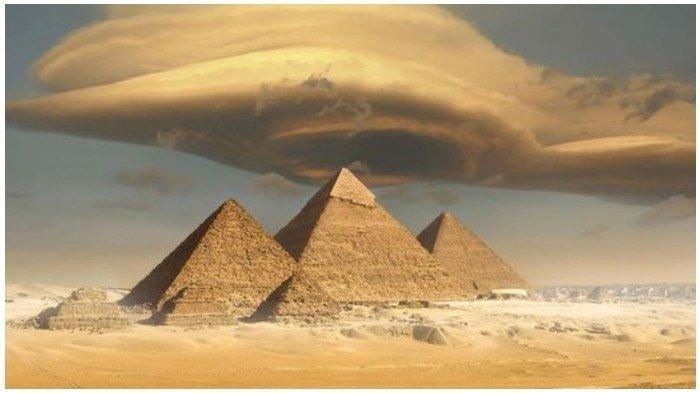
thegriffithdc.com – Piramida Giza di Mesir adalah salah satu keajaiban arsitektur paling mengesankan dan ikonik dalam sejarah manusia. Terletak di dataran tinggi Giza dekat Kairo, kompleks ini terdiri dari tiga piramida utama: Piramida Khufu (atau Cheops), Piramida Khafre, dan Piramida Menkaure, serta patung Sphinx yang monumental. Meski telah berdiri selama lebih dari 4.500 tahun, banyak misteri seputar pembangunannya masih menjadi perdebatan hingga saat ini. Berikut adalah beberapa aspek menarik dan misterius dari piramida Giza.

1. Teknik Konstruksi yang Masih Diperdebatkan

Salah satu misteri terbesar adalah bagaimana masyarakat Mesir Kuno membangun piramida raksasa ini tanpa teknologi modern. Piramida Khufu, yang terbesar di antara ketiganya, terdiri dari sekitar 2,3 juta blok batu, masing-masing seberat beberapa ton. Para peneliti menduga bahwa pembangunan melibatkan sistem ramp atau jalan miring, tetapi bagaimana tepatnya blok-blok besar itu diangkut dan ditempatkan dengan presisi luar biasa masih belum jelas.

2. Fungsi Piramida yang Belum Pasti

Meskipun diyakini sebagai makam para firaun, belum ada jasad mumi yang ditemukan di dalam piramida Giza. Beberapa ahli berpendapat bahwa piramida bukan hanya makam tetapi juga memiliki makna spiritual dan astronomis, atau bahkan mungkin berfungsi sebagai pusat energi kuno. Kemungkinan ini memperkuat aura misteri di sekitar fungsi sebenarnya dari piramida.

3. Keselarasan Astronomis

Piramida Giza menunjukkan keselarasan astronomis yang luar biasa. Keempat sisinya sejajar dengan arah mata angin utama (utara, selatan, timur, dan barat) dengan tingkat presisi yang menakjubkan. Selain itu, posisi ketiga piramida tampaknya sejajar dengan sabuk bintang Orion, yang menurut beberapa teori, berkaitan dengan kepercayaan Mesir tentang kehidupan setelah kematian dan hubungan spiritual dengan kosmos.

4. Ukuran dan Presisi Arsitektur

Piramida Khufu pernah menjadi bangunan tertinggi di dunia selama ribuan tahun, dengan tinggi awal mencapai 146 meter. Setiap sisi dasar piramida memiliki panjang yang hampir sama, dengan selisih kurang dari 10 cm. Presisi luar biasa ini mengundang kekaguman dan pertanyaan tentang seberapa maju pengetahuan geometri dan arsitektur masyarakat Mesir Kuno.

5. Misteri Ruangan dan Terowongan Tersembunyi

Dalam beberapa dekade terakhir, teknologi modern seperti pemindaian inframerah dan radar penembus tanah telah menemukan ruang tersembunyi di dalam piramida. Pada 2017, peneliti menemukan “void” atau ruang kosong besar di dalam Piramida Khufu. Tujuan dan isi dari ruang-ruang ini masih menjadi misteri, dan memunculkan teori tentang adanya lorong rahasia atau ruang penyimpanan harta.

6. Keberadaan Patung Sphinx

Sphinx yang terletak di kompleks piramida juga menambah misteri. Patung ini memiliki tubuh singa dan kepala manusia, yang diyakini sebagai potret Firaun Khafre. Meskipun telah dipelajari selama bertahun-tahun, asal usul pasti Sphinx dan tujuannya masih diperdebatkan. Ada teori bahwa Sphinx jauh lebih tua dari piramida itu sendiri, yang berarti peradaban yang membangunnya mungkin mendahului Mesir Kuno.

7. Pengaruh Piramida dalam Budaya Modern

Selain sebagai simbol Mesir Kuno, piramida Giza juga memengaruhi budaya modern. Dari teori konspirasi hingga film dan buku, struktur ini sering dianggap memiliki makna mistis dan bahkan dikaitkan dengan campur tangan peradaban asing. Meskipun sebagian besar teori ini tidak memiliki dasar ilmiah, mereka mencerminkan rasa kagum dan penasaran manusia terhadap keajaiban masa lampau.

Kesimpulan

Piramida Giza tetap menjadi salah satu misteri terbesar dalam sejarah manusia. Dengan teknik konstruksi yang luar biasa, keselarasan astronomis, dan kemungkinan fungsi spiritual atau ilmiah, kompleks ini terus menarik perhatian arkeolog dan penggemar sejarah. Setiap penemuan baru di Giza memberikan wawasan baru, tetapi juga sering kali menimbulkan lebih banyak pertanyaan. Piramida Giza bukan hanya landmark bersejarah, tetapi juga simbol abadi ketangguhan dan kreativitas manusia yang melampaui zaman.

Sydney Opera House: Ikon Australia di Tepi Laut

thegriffithdc.com – Sydney Opera House adalah salah satu ikon arsitektur paling terkenal di dunia dan simbol kebanggaan Australia. Terletak di Bennelong Point, di tepi Sydney Harbour, gedung ini bukan hanya pusat seni pertunjukan, tetapi juga mahakarya desain dan teknik yang menyatu indah dengan lingkungan alam sekitarnya.

1. Sejarah Pembangunan

Ide pembangunan Sydney Opera House muncul pada 1950-an untuk menciptakan gedung opera kelas dunia. Pada tahun 1956, diselenggarakan kompetisi arsitektur internasional, dan desain revolusioner dari arsitek Denmark, Jørn Utzon, dipilih sebagai pemenang.

Meskipun memiliki konsep yang memukau, pembangunan gedung ini menghadapi tantangan besar dari segi teknik dan biaya. Awalnya direncanakan selesai dalam empat tahun, proyek ini memakan waktu 14 tahun (1959-1973) dan melebihi anggaran yang diperkirakan. Meskipun Utzon meninggalkan proyek sebelum selesai karena perbedaan pandangan dengan pemerintah, gedung ini akhirnya diresmikan pada 20 Oktober 1973 oleh Ratu Elizabeth II.

2. Desain Arsitektur dan Keunikan Struktur

Sydney Opera House dikenal karena atapnya yang berbentuk cangkang atau layar kapal, mencerminkan hubungan erat Australia dengan laut dan pelayaran. Struktur tersebut terdiri dari beberapa ‘kulit’ beton yang dirancang dengan presisi tinggi. Selain keunikan bentuk, material yang digunakan untuk penutup atap mencakup ubin keramik khusus yang memantulkan cahaya matahari dan tetap mempertahankan warna putih bersih.

Bangunan ini terdiri dari beberapa ruang pertunjukan, termasuk:

  • Concert Hall, aula terbesar dengan kapasitas lebih dari 2.600 orang.
  • Joan Sutherland Theatre, yang digunakan untuk opera dan balet.
  • Drama Theatre, Playhouse, dan Studio, yang menjadi tempat berbagai pertunjukan seni kontemporer.

3. Ikon Budaya dan Pusat Seni Dunia

Sejak dibuka, Sydney Opera House menjadi pusat aktivitas seni dan budaya. Gedung ini menyelenggarakan berbagai acara, seperti pertunjukan musik klasik, opera, teater, balet, dan konser musik modern. Dengan lebih dari 1.500 pertunjukan setiap tahun, tempat ini menarik jutaan pengunjung dari seluruh dunia.

Opera House juga menjadi tempat bagi beberapa festival bergengsi, seperti:

  • Vivid Sydney, festival seni cahaya, musik, dan ide.
  • Festival film dan acara budaya yang menghadirkan seniman internasional.

4. Makna Lingkungan dan Lokasi

Sydney Opera House terletak di tepi pelabuhan Sydney, memberikan pemandangan spektakuler dengan latar belakang Sydney Harbour Bridge dan perairan biru yang mengelilinginya. Lokasi strategis ini menjadikan gedung tersebut sebagai titik utama bagi wisatawan dan warga lokal. Keindahan arsitekturnya yang menyatu dengan alam membuat Opera House tidak hanya menjadi pusat seni, tetapi juga tempat bersantai dan spot foto ikonik.

5. Pengakuan Dunia dan Warisan UNESCO

Pada tahun 2007, Sydney Opera House diakui sebagai Situs Warisan Dunia UNESCO karena kontribusinya yang luar biasa terhadap arsitektur dan budaya. Opera House tidak hanya menggambarkan pencapaian teknik yang luar biasa, tetapi juga menjadi lambang identitas Australia sebagai negara yang dinamis dan modern.

6. Renovasi dan Pengembangan Berkelanjutan

Untuk memastikan Sydney Opera House tetap relevan dan berfungsi dengan baik di masa depan, proyek renovasi besar-besaran dimulai beberapa tahun terakhir. Perbaikan ini meliputi peningkatan sistem akustik, pencahayaan, dan aksesibilitas, sehingga gedung ini dapat melayani pengunjung dan seniman dengan lebih baik.

Selain itu, gedung ini berkomitmen pada kelestarian lingkungan dengan mengurangi jejak karbon dan menerapkan praktik ramah lingkungan dalam pengelolaannya.

7. Kesimpulan

Sydney Opera House bukan hanya sekadar gedung pertunjukan, melainkan lambang inovasi, kreativitas, dan identitas Australia. Dengan desain arsitekturnya yang unik, lokasinya di tepi laut yang menawan, dan program seni yang kaya, Opera House terus memikat hati jutaan orang dari seluruh dunia. Gedung ini merupakan simbol kolaborasi antara seni, alam, dan arsitektur, sekaligus menjadi bukti bahwa tantangan dapat menghasilkan karya yang abadi.

Patung Liberty: Simbol Kebebasan dan Landmark Amerika Serikat

thegriffithdc.com – Patung Liberty, yang dikenal sebagai Statue of Liberty, adalah salah satu ikon paling terkenal di dunia. Terletak di Liberty Island, New York, patung ini bukan hanya landmark Amerika Serikat, tetapi juga simbol kebebasan dan harapan bagi jutaan orang. Dengan bentuknya yang megah dan makna historisnya yang mendalam, Patung Liberty menyampaikan pesan universal tentang kebebasan dan kesempatan.

1. Sejarah dan Latar Belakang Patung Liberty

Patung Liberty adalah hadiah dari Prancis kepada Amerika Serikat untuk merayakan persahabatan antara kedua negara dan memperingati 100 tahun Deklarasi Kemerdekaan Amerika. Patung ini dirancang oleh pematung Prancis, Frédéric Auguste Bartholdi, dan kerangka dalamnya dikerjakan oleh Gustave Eiffel, yang juga terkenal karena menara Eiffel di Paris. Patung Liberty diresmikan pada 28 Oktober 1886 setelah melalui proses pembangunan yang panjang dan kompleks.

2. Makna Simbolis Patung Liberty

Patung Liberty menggambarkan sosok perempuan yang memegang obor dengan tangan kanannya dan membawa tablet di tangan kirinya, bertuliskan tanggal kemerdekaan Amerika Serikat: 4 Juli 1776. Setiap elemen patung ini memiliki makna simbolis:

  • Obor: Melambangkan pencerahan dan kebebasan yang menerangi jalan menuju harapan.
  • Mahkota dengan 7 Sinar: Melambangkan tujuh benua dan samudra, serta pesan bahwa kebebasan adalah hak universal.
  • Rantai yang Putus di Kaki: Melambangkan pembebasan dari tirani dan penindasan.
  • Tablet: Menandakan hukum dan prinsip kemerdekaan.

3. Patung Liberty dan Imigrasi

Selama akhir abad ke-19 dan awal abad ke-20, ketika jutaan imigran tiba di Amerika melalui Pulau Ellis yang berdekatan, Patung Liberty menjadi pemandangan pertama yang mereka lihat setelah perjalanan panjang melintasi Samudra Atlantik. Patung ini kemudian dikenal sebagai simbol harapan bagi para imigran yang datang untuk mencari kehidupan yang lebih baik dan kebebasan di Amerika Serikat.

4. Arsitektur dan Ukuran Patung Liberty

Patung Liberty memiliki ketinggian total 93 meter (305 kaki) jika dihitung bersama dengan alasnya. Patung itu sendiri terbuat dari tembaga dan awalnya memiliki warna kecokelatan, namun selama bertahun-tahun berubah menjadi hijau karena proses oksidasi alami. Kerangka dalamnya dirancang agar patung bisa tahan terhadap angin dan cuaca ekstrem di perairan New York.

5. Patung Liberty sebagai Warisan Dunia

Pada tahun 1984, Patung Liberty diakui sebagai Situs Warisan Dunia UNESCO. Landmark ini terus menarik jutaan wisatawan setiap tahun, yang datang untuk mengagumi keindahannya dan memahami makna sejarah yang terkandung di dalamnya. Kunjungan ke Liberty Island biasanya mencakup tur ke alas patung, museum, dan dek observasi di mahkota, yang menawarkan pemandangan panorama New York.

6. Pemeliharaan dan Restorasi

Selama bertahun-tahun, Patung Liberty telah mengalami beberapa proyek pemeliharaan dan restorasi untuk memastikan keutuhannya. Salah satu restorasi besar terjadi pada tahun 1986 untuk memperingati 100 tahun berdirinya patung. Pada tahun 2019, sebuah museum baru dibuka di Liberty Island, menampilkan sejarah dan warisan patung ini.

7. Makna Patung Liberty di Masa Kini

Saat ini, Patung Liberty tetap menjadi simbol kebebasan, hak asasi manusia, dan demokrasi. Dalam konteks modern, patung ini terus menyuarakan pesan kesetaraan dan persamaan hak bagi semua orang, terlepas dari latar belakang etnis atau agama. Lebih dari sekadar monumen sejarah, Patung Liberty adalah pengingat bahwa kebebasan adalah sesuatu yang harus dijaga dan dihargai oleh setiap generasi.

Kesimpulan

Patung Liberty bukan hanya simbol kebebasan bagi Amerika Serikat, tetapi juga menjadi inspirasi bagi seluruh dunia. Patung ini mengingatkan tentang pentingnya persahabatan, kesetaraan, dan harapan. Dengan sejarah yang kaya dan makna simbolis yang mendalam, Patung Liberty akan terus berdiri sebagai salah satu landmark paling ikonik dan berpengaruh di dunia.

Proyek Energi Terbarukan di Kamboja Diharapkan Kurangi Ketergantungan pada Batubara

thegriffithdc – Dalam upaya untuk mengurangi ketergantungan pada batubara sebagai sumber energi utama, Kamboja telah meluncurkan sejumlah proyek energi terbarukan yang ambisius. Proyek ini diharapkan tidak hanya mengurangi dampak lingkungan dari penggunaan bahan bakar fosil, tetapi juga memberikan akses energi yang lebih luas kepada masyarakat.

Kamboja telah lama bergantung pada batubara untuk memenuhi kebutuhan energinya. Menurut data pemerintah, sekitar 70% dari total konsumsi energi negara ini berasal dari batubara. Namun, dengan meningkatnya kesadaran akan isu perubahan iklim dan dampak negatif dari penggunaan bahan bakar fosil, pemerintah Kamboja mulai beralih ke energi terbarukan.

Beberapa proyek yang diluncurkan antara lain:

  1. Pembangkit Listrik Tenaga Surya (PLTS): Kamboja berencana membangun sejumlah PLTS di berbagai wilayah, terutama di daerah terpencil yang belum terjangkau listrik. Proyek ini diharapkan dapat memenuhi kebutuhan listrik 1,5 juta rumah tangga pada tahun 2025.
  2. Pembangkit Listrik Tenaga Angin (PLTA): Pemerintah juga merencanakan pembangunan beberapa ladang angin di sepanjang pantai, yang diharapkan dapat menghasilkan lebih dari 500 MW pada tahun 2026.
  3. Energi Biomassa: Selain itu, Kamboja berinvestasi dalam teknologi biomassa untuk memanfaatkan limbah pertanian sebagai sumber energi alternatif. Proyek ini bertujuan untuk mendukung petani lokal sekaligus menghasilkan energi bersih.

Dengan beralih ke energi terbarukan, Kamboja berharap dapat mengurangi emisi gas rumah kaca secara signifikan. Penelitian menunjukkan bahwa transisi ini dapat mengurangi emisi CO2 hingga 30% pada tahun 2030. Selain itu, proyek ini juga diharapkan menciptakan ribuan lapangan kerja baru di sektor energi terbarukan.

Meskipun ada harapan besar untuk masa depan energi terbarukan di slot kamboja gacor, tantangan tetap ada. Beberapa di antaranya termasuk pendanaan, infrastruktur, dan kebutuhan untuk pelatihan tenaga kerja terampil. Namun, pemerintah Kamboja berkomitmen untuk mengatasi tantangan ini dengan bekerja sama dengan lembaga internasional dan swasta.

Dengan peluncuran proyek energi terbarukan ini, Kamboja berada di jalur yang tepat untuk mengurangi ketergantungan pada batubara dan menuju masa depan yang lebih berkelanjutan. Melalui upaya ini, Kamboja tidak hanya berkontribusi pada pengurangan perubahan iklim global, tetapi juga meningkatkan kualitas hidup masyarakatnya dengan memberikan akses energi yang lebih baik.

The Dawn of Civilization: Prehistoric Serbia

thegriffithdc.com – The prehistoric period in Serbia, marked by the earliest signs of human habitation and the development of complex societies, offers a fascinating glimpse into the origins of civilization in the Balkans. This era, stretching from the Paleolithic to the Neolithic periods, is characterized by significant archaeological discoveries that shed light on the lives of early inhabitants.

Early Settlements and the Paleolithic Period

The earliest traces of human presence in Serbia date back to the Paleolithic period, around 40,000 BC. These early settlers left behind evidence of their existence, including tools and artifacts, which suggest a nomadic lifestyle based on hunting and gathering.

The Neolithic Period: The Starčevo and Vinča Cultures

A significant shift occurred around 7000 to 6000 BC, marking the transition from the Paleolithic to the Neolithic period. This era saw the emergence of the Starčevo and Vinča cultures, which are among the most well-known archaeological discoveries from the prehistoric period in Serbia.

The Starčevo culture, dating back to around 6400 to 6200 BC, is known for its distinctive pottery and the construction of large settlements. These communities were likely engaged in agriculture and animal husbandry, indicating a more settled lifestyle compared to their Paleolithic predecessors.

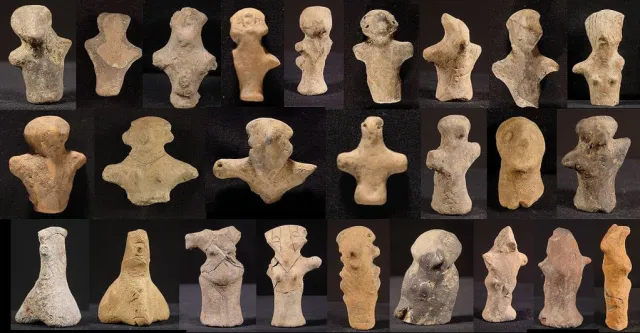
The Vinča culture, which succeeded the Starčevo culture, flourished from approximately 5700 to 4500 BC. Vinča is renowned for its sophisticated art, including the famous Vinča figurines, and the construction of large, complex settlements. These communities were highly organized, with evidence of social hierarchies and possibly even early forms of writing.

Continuous Inhabitation and Strategic Location

The territory of present-day Serbia was continuously inhabited from the earliest prehistoric times through to the historic period. This continuity is a testament to the strategic location of Serbia, which has historically been a crossroads between Europe and Asia, making it a frequent target of invasions by various nations.

Conclusion

The prehistoric period in Serbia is a crucial chapter in the history of human civilization. The development of complex societies, marked by innovations in agriculture, art, and social organization, laid the groundwork for the civilizations that would follow. The archaeological evidence from this era continues to provide valuable insights into the lives of our ancestors and the origins of civilization in the Balkans.

Vineyards and Cellars: The Romanian Wine Route

thegriffithdc.com – Romania, a country with a rich history and diverse landscapes, is also home to one of Europe’s best-kept secrets: its wine. The Romanian Wine Route is a journey through the heart of this winemaking tradition, offering a glimpse into the vineyards and cellars that have been producing exquisite wines for centuries.

A Journey Through Time and Terroir

The Romanian Wine Route is not just about tasting wine; it’s a journey through time and terroir. From the rolling hills of Transylvania to the sun-kissed vineyards of Moldova and the Danube Delta, each region offers a unique blend of history, culture, and wine.

The Vineyards: A Tapestry of Terroir

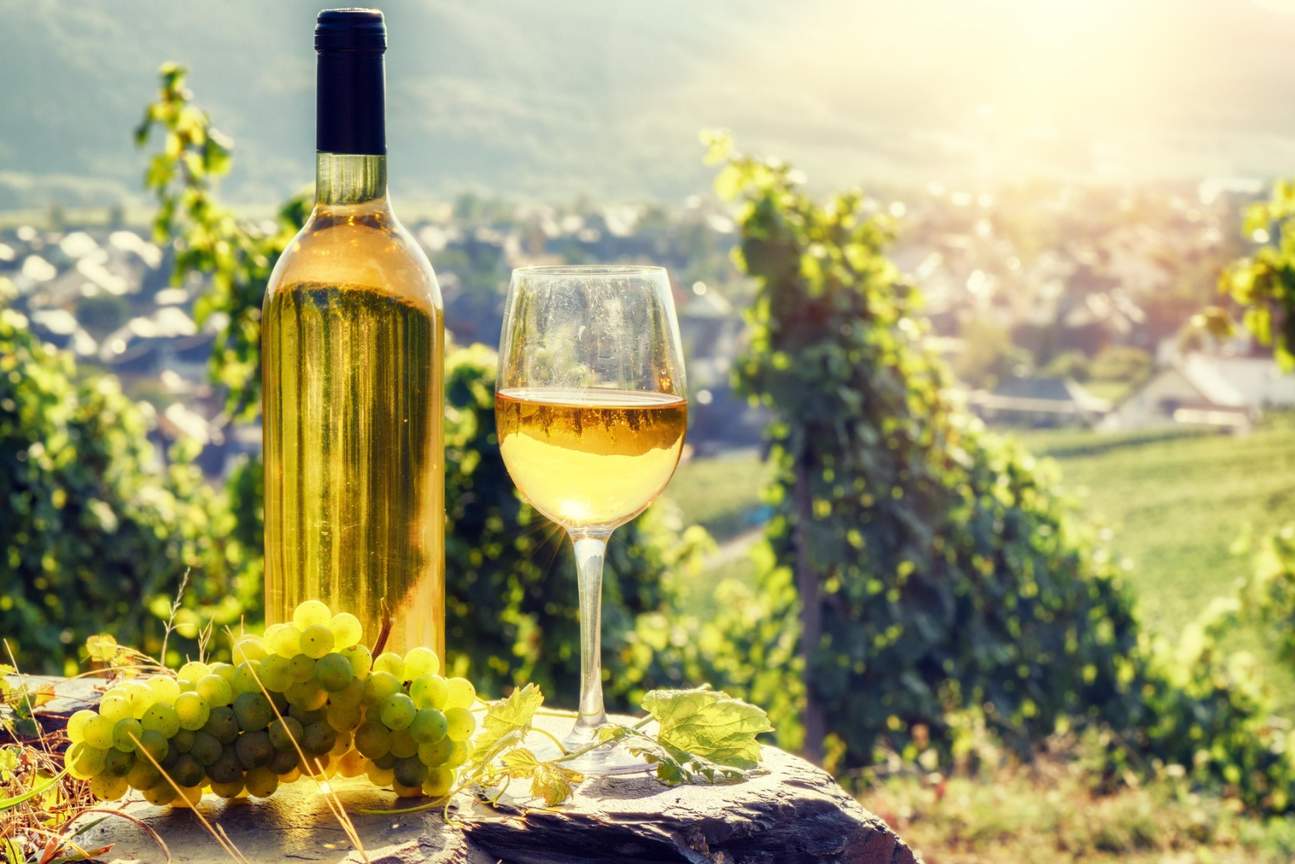
Romania’s vineyards are a testament to the country’s diverse climate and soil. The Moldova region, with its limestone-rich soil, is famous for its red wines, while the hilly Transylvanian vineyards produce crisp whites. The Danube Delta, with its unique microclimate, offers a variety of wines that reflect the river’s influence.

Moldova: The Heart of Romanian Winemaking

Moldova is the heart of Romanian winemaking, with vineyards that have been producing wine for over 2,000 years. The region’s red wines, particularly those made from Fetească Neagră and Cabernet Sauvignon, are renowned for their depth and complexity.

Transylvania: A Hidden Gem

Transylvania’s vineyards are a hidden gem, with a cooler climate that is perfect for producing aromatic whites. The region’s Pinot Grigio and Riesling are particularly noteworthy, offering a refreshing taste of the Carpathian foothills.

The Danube Delta: Unique Microclimate

The Danube Delta offers a unique microclimate that is perfect for growing a variety of grapes. The region’s wines, including those made from Fetească Regală and Chardonnay, reflect the river’s influence, with a fresh and fruity character.

The Cellars: A Glimpse into the Past

Romania’s wine cellars are not just places to store wine; they are a glimpse into the past. Many of these cellars have been in use for centuries, with some dating back to the time of the Roman Empire.

Milestii Mici: The World’s Largest Wine Cellar

Milestii Mici, located in the Moldova region, is home to the world’s largest wine cellar. With over 200 kilometers of tunnels, the cellar holds over 1.5 million bottles of wine, including some of the country’s most prestigious labels.

Murfatlar: A Legacy of Winemaking

Murfatlar, situated near the Black Sea, has a winemaking legacy that dates back to the 19th century. The cellars here are a testament to the region’s rich history, with a collection of wines that reflect the terroir of the Dobrogea region.

The Experience: Beyond Wine Tasting

Visiting the Romanian Wine Route is about more than just tasting wine. It’s an opportunity to experience the culture, history, and traditions of Romania. From wine festivals to vineyard tours, there is something for every wine lover.

Wine Festivals: A Celebration of Wine

Romania’s wine festivals are a celebration of the country’s winemaking tradition. From the International Wine Festival in Bucharest to the smaller, regional festivals, these events offer a chance to taste a wide variety of wines and meet the winemakers behind them.

Vineyard Tours: A Closer Look at Winemaking

Vineyard tours provide a closer look at the winemaking process, from the vine to the bottle. Visitors can learn about the different grape varieties, the winemaking techniques, and the history of the vineyards.

Conclusion: A Must-Visit for Wine Enthusiasts

The Romanian Wine Route is a must-visit for wine enthusiasts. With its rich history, diverse terroir, and exceptional wines, Romania offers a unique wine experience that is not to be missed. Whether you’re a seasoned wine connoisseur or a curious traveler, the vineyards and cellars of Romania are sure to leave a lasting impression.

El Salvador: Gangs, Violence, and the Search for Peace

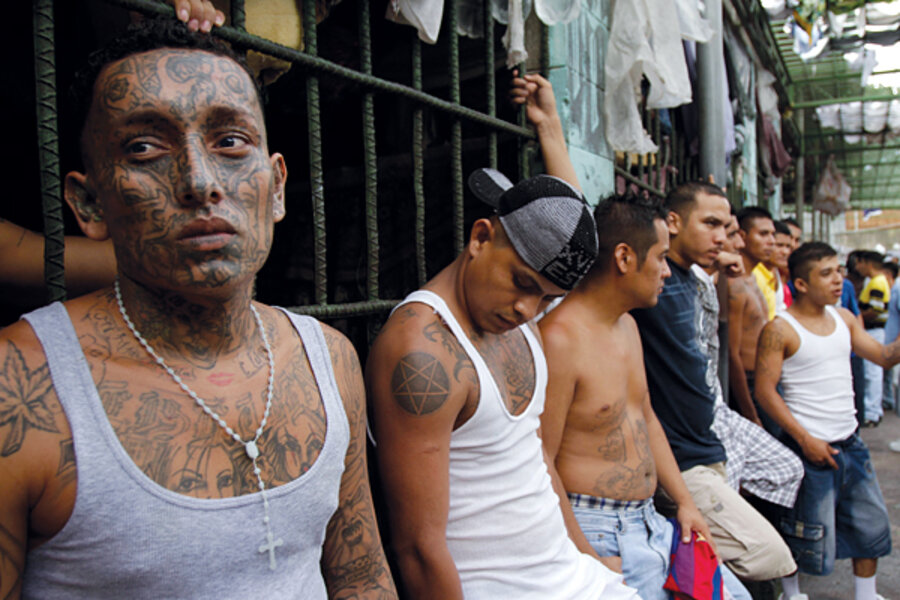
thegriffithdc.com – El Salvador, a small Central American country, has long been synonymous with gang violence and crime. Despite its diminutive size, the nation has faced some of the highest homicide rates in the world, a situation that has been exacerbated by the presence of powerful gangs like MS-13 and Barrio 18. These groups, which originated in Los Angeles and later transplanted to El Salvador, have wreaked havoc on the country, controlling territories, engaging in drug trafficking, and committing acts of violence that have terrorized communities.

The Rise of Gangs in El Salvador

The roots of El Salvador’s gang problem can be traced back to the civil war that ravaged the country from 1980 to 1992. The conflict left a generation of young people without education, opportunities, or hope. Many of these youths migrated to the United States, where they fell into the clutches of gangs. When the U.S. began deporting gang members back to El Salvador in the 1990s, they brought their gang culture with them, establishing MS-13 and Barrio 18 as formidable forces in the country.

The Impact of Gang Violence

Gang violence has had a profound impact on El Salvador. The country has experienced some of the highest murder rates in the world, with periods where the homicide rate exceeded 60 per 100,000 inhabitants. This violence has not only claimed countless lives but has also stifled economic growth and development. Businesses are hesitant to invest in a country where kidnappings, extortions, and assassinations are commonplace.

Moreover, the violence has led to a humanitarian crisis, with thousands of Salvadorans fleeing the country in search of safety. Many seek asylum in the United States, contributing to the ongoing debate about immigration and border security in North America.

Government Responses and the Search for Peace

The Salvadoran government has attempted various strategies to combat gang violence. These have ranged from hardline tactics, such as themano dura (iron fist) and super mano dura (super iron fist) campaigns, to more conciliatory approaches aimed at reintegrating gang members into society. However, these efforts have often been criticized for either being too harsh and ineffective or for being too lenient and emboldening the gangs.

In recent years, there has been a shift towards a more comprehensive approach that combines security measures with social programs aimed at providing education, job training, and economic opportunities to at-risk youth. The government has also engaged in dialogue with gang leaders in an effort to negotiate truces and reduce violence.

The Challenges Ahead

While there have been periods of reduced violence, the path to lasting peace in El Salvador remains fraught with challenges. The gangs are deeply entrenched in the social fabric of the country, and their influence extends into politics, the economy, and even the security forces. Moreover, the economic disparities and lack of opportunities that fuel gang recruitment persist.

The international community has a role to play in supporting El Salvador’s efforts to combat gang violence and promote peace. By providing aid, expertise, and pressure for reforms, the global community can help El Salvador address the root causes of violence and create a more secure and prosperous future for its citizens.

Conclusion

El Salvador’s struggle with gangs and violence is a complex and multifaceted issue that requires a coordinated and sustained response. While there have been setbacks and challenges, the search for peace in El Salvador continues. It is a journey that demands the commitment of the government, the cooperation of the international community, and the resilience of the Salvadoran people. Only through such a comprehensive approach can El Salvador hope to overcome its legacy of violence and build a peaceful and prosperous future.

The Jewels of the Indian Ocean: Seychelles

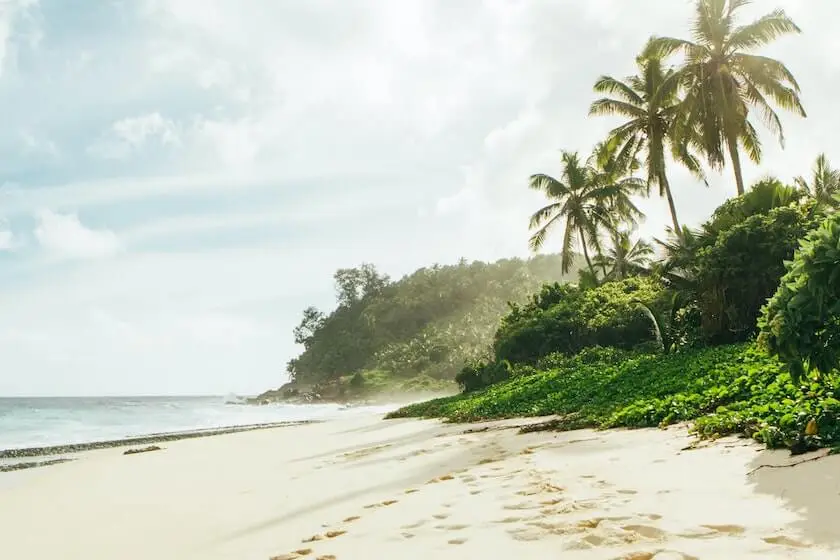
thegriffithdc.com – Nestled in the azure waters of the Indian Ocean, the Seychelles archipelago is a paradise on Earth, a collection of 115 islands that seem to have sprung from the pages of a storybook. Known as the “Jewels of the Indian Ocean,” these islands are a testament to the beauty and diversity of our planet. From the granite peaks of Mahé to the powdery white sands of La Digue, each island offers a unique experience, making Seychelles a premier destination for travelers seeking both luxury and adventure.

A Tapestry of Natural Beauty

Seychelles is renowned for its breathtaking landscapes, which range from lush rainforests to pristine beaches. The archipelago’s natural beauty is a result of its unique geological history and its commitment to conservation. The islands are home to a variety of endemic species, including the iconic coco de mer, the world’s largest seed, and the Seychelles black parrot, a symbol of the islands’ biodiversity.

A Haven for Adventure Seekers

For those looking to explore beyond the beaches, Seychelles offers a plethora of activities. Snorkeling and diving reveal a vibrant underwater world, with coral reefs teeming with life. Hiking trails wind through the islands’ interior, offering stunning views and encounters with unique flora and fauna. And for the more adventurous, there are opportunities for sailing, fishing, and even skydiving, with the ocean providing a spectacular backdrop.

Cultural Riches and Culinary Delights

The Seychelles’ cultural tapestry is as rich as its natural environment. The islands are a melting pot of influences, with Creole, African, Indian, and European cultures blending to create a unique Seychellois identity. This diversity is reflected in the local cuisine, which features a fusion of flavors and spices. Visitors can indulge in traditional dishes such as fish curry, served with rice and a side of achard, a tangy pickle made from local vegetables.

Sustainable Tourism

Seychelles is committed to sustainable tourism, ensuring that the islands’ natural beauty and cultural heritage are preserved for future generations. Eco-friendly resorts and initiatives to reduce the islands’ carbon footprint are part of this commitment. Visitors are encouraged to participate in responsible travel practices, such as minimizing waste and respecting wildlife and natural habitats.

A Destination for Every Traveler

Whether you’re seeking relaxation on a secluded beach, adventure in the great outdoors, or a deeper connection with the local culture, Seychelles has something to offer. The archipelago’s blend of natural beauty, cultural richness, and commitment to sustainability makes it a destination like no other. As you explore the “Jewels of the Indian Ocean,” you’ll discover why Seychelles is not just a place to visit, but a world to experience.

Moroccan Horsemanship: The Art of Living with the Noble Steed

thegriffithdc.com – Moroccan horsemanship is a rich and ancient tradition that reflects the deep bond between the Moroccan people and their noble steeds. This art form is not just about riding; it’s a way of life, a philosophy, and a profound connection with the horse that dates back centuries. The Moroccan approach to horsemanship is characterized by respect, patience, and a deep understanding of the horse’s nature.

The Historical Roots of Moroccan Horsemanship

The history of Moroccan horsemanship is as old as the history of Morocco itself. Horses have played a crucial role in the country’s culture and military history. The Barb horse, native to North Africa, is the foundation of Moroccan horsemanship. Known for its endurance, intelligence, and agility, the Barb has been a companion to the Moroccan people through the ages. The art of horsemanship was developed and refined over centuries, with influences from the Berber, Arab, and Andalusian cultures.

The Philosophy Behind Moroccan Horsemanship

At the heart of Moroccan horsemanship is a philosophy that emphasizes harmony and mutual respect between horse and rider. This approach is based on the belief that the horse is a noble creature that deserves respect and understanding. The Moroccan horseman seeks to establish a bond with the horse, based on trust and communication, rather than domination. This philosophy is reflected in the training methods, which are gentle and patient, focusing on understanding the horse’s behavior and needs.

The Art of Training in Moroccan Horsemanship

Training in Moroccan horsemanship is a meticulous process that begins with the foal. The training is gradual and focuses on building a relationship with the horse. The use of force is minimized, and instead, the trainer relies on patience, kindness, and understanding. The goal is to develop the horse’s natural abilities while ensuring its well-being and happiness. The training also includes the art of dressage, which is performed with elegance and precision, showcasing the bond between the horse and rider.

The Role of Festivals in Celebrating Moroccan Horsemanship

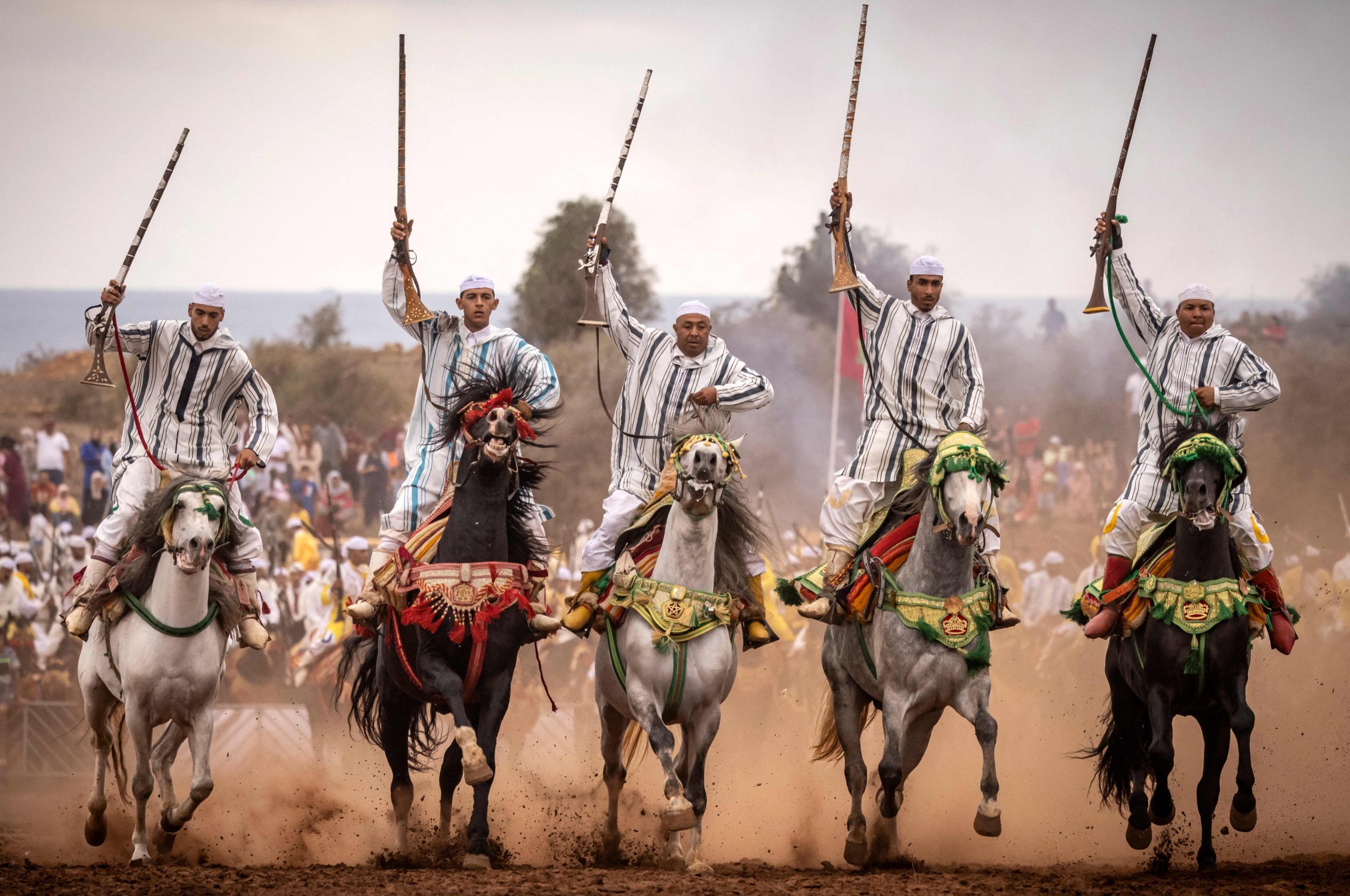
Moroccan horsemanship is celebrated and preserved through various festivals and events throughout the country. The most famous of these is the Fantasia, a traditional display of horsemanship that dates back to the 12th century. During the Fantasia, hundreds of riders dressed in traditional attire charge across the field and fire their rifles into the air in a breathtaking display of skill and courage. These events are not only a celebration of Moroccan culture but also an opportunity for the younger generation to learn and carry forward the traditions of Moroccan horsemanship.

The Future of Moroccan Horsemanship

As Morocco continues to modernize, the art of Moroccan horsemanship faces new challenges. However, there is a growing movement to preserve and promote this ancient tradition. Through education, festivals, and international competitions, Moroccan horsemanship is finding new ways to thrive in the modern world. The deep bond between the Moroccan people and their horses remains as strong as ever, ensuring that the art of Moroccan horsemanship will continue to be celebrated for generations to come.

Conclusion

Moroccan horsemanship is more than just a skill; it’s a way of life that embodies the values of respect, patience, and understanding. This ancient tradition continues to be a source of pride and identity for the Moroccan people. As we look to the future, it is clear that the art of living with the noble steed will remain an integral part of Morocco’s rich cultural heritage.

Exploring Iran’s Cultural Heritage: Persian Splendor

Nestled between the Caspian Sea and the Persian Gulf, Iran, formerly known as Persia, is a land steeped in history and culture. Its strategic location at the crossroads of the East and West has made it a melting pot of civilizations, resulting in a rich tapestry of cultural heritage. From the grandeur of its ancient architecture to the intricacy of its art and the depth of its poetry, Iran’s cultural heritage is a testament to the enduring spirit of its people.

The Ancient Roots:
Iran’s cultural heritage dates back to the Elamite and Achaemenid civilizations, which laid the foundations of Persian culture. The Achaemenid Empire, established by Cyrus the Great in the 6th century BCE, was one of the largest empires of the ancient world, known for its administrative innovations and respect for cultural diversity. The ruins of Persepolis, the ceremonial capital, stand today as a symbol of the empire’s opulence and architectural prowess.

Architectural Marvels:
Iranian architecture is a blend of functionality and artistry, characterized by its use of geometry and symmetry. The country is home to numerous UNESCO World Heritage Sites, including the Naqsh-e Jahan Square in Isfahan, a masterpiece of Islamic architecture. The square, with its stunning Sheikh Lotfollah Mosque and the majestic Ali Qapu Palace, showcases the harmonious integration of religious and secular spaces.

The Gardens of Paradise:
Persian gardens, or “pairidaeza” (from which the English word “paradise” is derived), are not just landscapes but a reflection of the cosmos. The Charbagh layout, with its four-quarter division symbolizing the four elements of nature, is a recurring theme in Persian garden design. The Eram Garden in Shiraz and the Fin Garden in Kashan are prime examples of this tradition, offering serene retreats amidst the bustling life of the cities.

Artistic Brilliance:
Iran’s artistic heritage is as diverse as it is exquisite. Miniature painting, calligraphy, and ceramics are among the country’s most celebrated art forms. The intricate designs and vibrant colors of Persian carpets are renowned worldwide, each piece telling a story through its patterns and motifs. The city of Kerman is famous for its carpet-weaving tradition, while the city of Kashan is known for its silk production and fine textiles.

Literary Legacy:
Persian literature is a treasure trove of poetry and prose that has influenced countless writers and poets across the globe. Figures like Ferdowsi, Rumi, Hafez, and Saadi have left an indelible mark on the world with their works. The Shahnameh, or The Book of Kings, by Ferdowsi, is the national epic of Iran, encapsulating the history and mythology of the Persian Empire.

The Persian New Year:
Nowruz, the Persian New Year, is one of the oldest celebrations in the world, marking the first day of spring. It is a time for family gatherings, festivities, and the traditional Haft-Seen table, which includes seven items symbolizing hope, health, and prosperity. Nowruz is a testament to the resilience and continuity of Persian culture.

Conclusion:
Iran’s cultural heritage is a mosaic of ancient traditions and modern expressions, reflecting the country’s complex history and the creativity of its people. Despite the challenges of the modern world, the spirit of Persian culture continues to thrive, inviting the world to marvel at its splendor and learn from its wisdom. As we explore Iran’s cultural heritage, we are reminded of the universal values of beauty, harmony, and the enduring quest for knowledge that have been cherished by Persians for millennia.