10 Fakta Menarik tentang Minipom: Sahabat Kecil dengan Kepribadian Besar

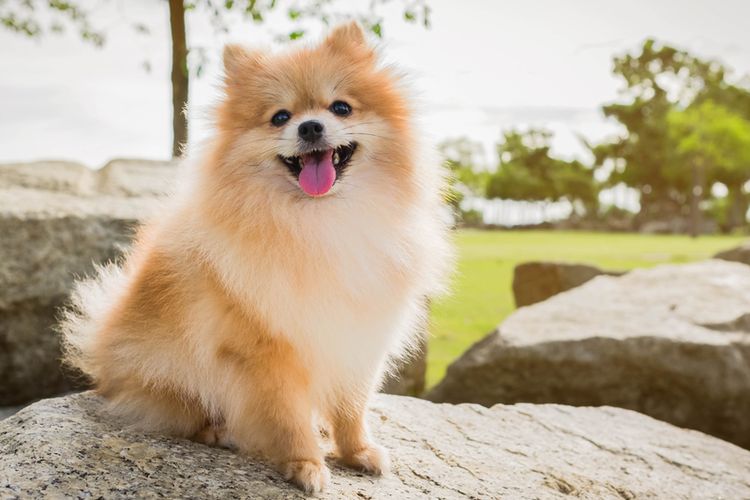
Miniature Pomeranian, atau Minipom, adalah anjing kecil yang memikat banyak orang dengan kepribadian dan pesonanya. Berikut adalah sepuluh fakta menarik tentang sahabat kecil ini:

  1. Asal Usul yang Mulia: Minipom berasal dari Pomerania, sebuah wilayah di Eropa Utara. Mereka dulu lebih besar dan sering digunakan untuk menggembala domba.
  2. Ukuran yang Mungil: Minipom biasanya hanya memiliki berat antara 1,5 hingga 3,5 kilogram, menjadikannya salah satu ras anjing terkecil di dunia.
  3. Bulu yang Mewah: Minipom memiliki bulu yang tebal dan berlapis ganda. Pemilik perlu rutin menyikatnya untuk medusa88 menjaga keindahan dan kesehatan bulu mereka.
  4. Warna yang Beragam: Minipom hadir dalam berbagai warna, termasuk oranye, hitam, putih, dan krem. Variasi ini menambah daya tarik visual mereka.
  5. Kepribadian Besar: Meskipun kecil, Minipom memiliki kepribadian yang percaya diri dan berani. Mereka sering kali bersikap seolah-olah mereka adalah anjing besar.
  6. Cerdas dan Cepat Belajar: Minipom dikenal karena kecerdasannya. Mereka mudah dilatih dan suka mempelajari trik-trik baru.
  7. Energi yang Melimpah: Minipom penuh energi dan suka bermain. Mereka menikmati berjalan-jalan dan bermain di taman, meskipun tidak membutuhkan ruang yang luas.
  8. Sosial dan Ramah: Minipom suka bersosialisasi dengan manusia dan hewan lain. Sosialisasi yang baik sejak dini membantu mereka merasa nyaman di lingkungan baru.
  9. Insting Pelindung: Meski kecil, Minipom memiliki naluri pelindung yang kuat. Mereka waspada terhadap lingkungan dan akan memberi tahu pemiliknya jika ada yang mencurigakan.
  10. Umur Panjang: Dengan perawatan yang baik, Minipom dapat hidup hingga 12-16 tahun, memberikan kebahagiaan dan cinta untuk waktu yang lama.

Dengan semua karakteristik ini, Minipom menjadi sahabat yang luar biasa bagi banyak orang, membawa keceriaan dan semangat ke dalam kehidupan sehari-hari.

Konservasi Satwa Liar: Upaya Global untuk Menyelamatkan Keanekaragaman Hayati

link slot :  slot mania

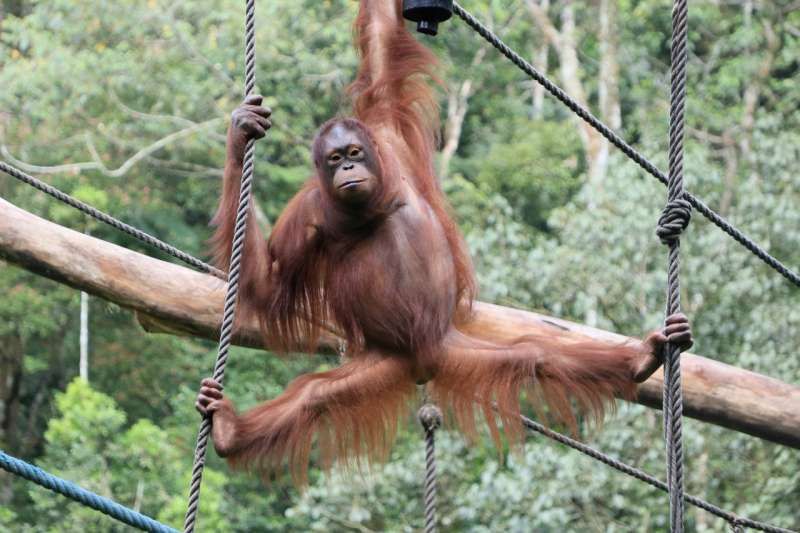
Keanekaragaman hayati dunia menghadapi ancaman serius akibat perusakan habitat, perubahan iklim, dan eksploitasi berlebihan oleh manusia. Satwa liar di berbagai belahan dunia kini berada di ambang kepunahan, mendorong perlunya upaya konservasi yang lebih serius dan terkoordinasi. Organisasi internasional, pemerintah, dan komunitas lokal telah bergandengan tangan dalam berbagai program untuk melindungi ekosistem dan spesies yang terancam, memastikan bahwa generasi mendatang masih dapat menikmati kekayaan alam yang luar biasa ini.

Salah satu langkah penting dalam konservasi satwa liar adalah pembentukan kawasan lindung, seperti taman nasional dan cagar alam, yang memberikan tempat aman bagi satwa liar untuk berkembang biak tanpa gangguan. Selain itu, kampanye edukasi dan kesadaran masyarakat tentang pentingnya menjaga lingkungan juga semakin digencarkan. Teknologi modern, seperti pemantauan satelit dan sistem peringatan dini, turut membantu para konservasionis dalam melacak pergerakan satwa dan mencegah aktivitas ilegal seperti perburuan liar.

Namun, upaya ini tidak akan berhasil tanpa partisipasi aktif dari seluruh lapisan masyarakat. Mengurangi konsumsi produk yang berasal dari eksploitasi satwa liar, mendukung kebijakan lingkungan yang berkelanjutan, serta berkontribusi dalam kampanye konservasi adalah langkah kecil yang dapat berdampak besar. Konservasi satwa liar bukan hanya tentang melindungi hewan-hewan tertentu, tetapi juga menjaga keseimbangan ekosistem global yang mendukung kehidupan di planet ini.

How Animals Hide in Plain Sight: The Art of Camouflage

thegriffithdc.com – In the vast and varied landscapes of the natural world, survival often depends on the ability to blend in. This is where the art of camouflage comes into play, a remarkable adaptation that allows animals to hide in plain sight. From the depths of the ocean to the canopies of rainforests, creatures have developed an array of strategies to avoid predators, stalk prey, or simply evade detection. This article delves into the fascinating world of animal camouflage, exploring the different techniques and the evolutionary marvels that make it possible.

The Science of Disguise

Camouflage is not just about looking like the surroundings; it’s a complex interplay of color, pattern, texture, and behavior. The primary goal is to break the outline of the animal’s body, making it less recognizable to others. There are several types of camouflage, each with its own set of strategies:

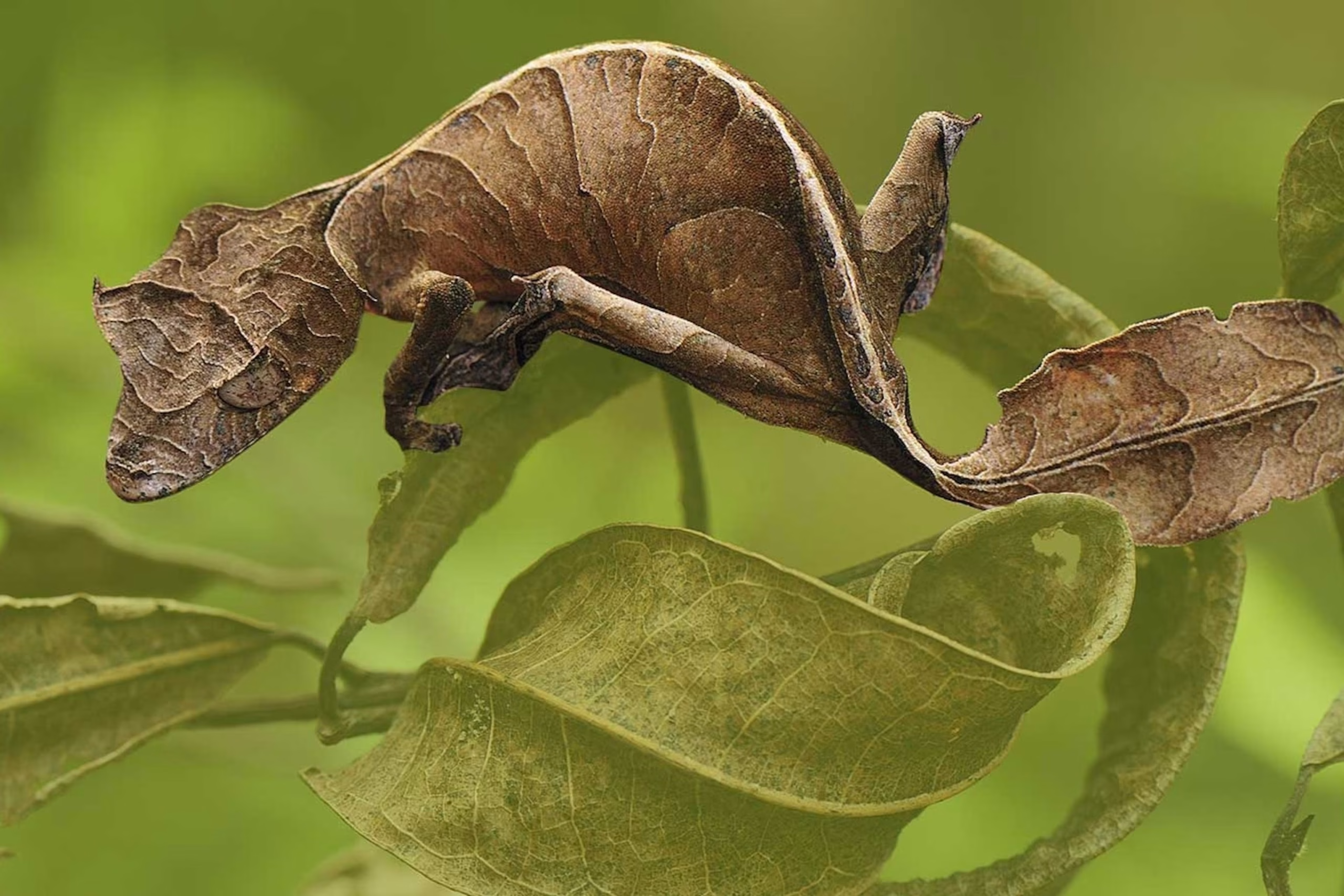
  1. Mimicry: Some animals mimic the appearance of objects in their environment. For example, the leaf insect closely resembles a leaf, down to the veins and edges, making it nearly indistinguishable when resting on a branch.
  2. Disruptive Patterning: This technique involves high-contrast patterns that break up the body outline. The giraffe’s coat is a classic example, where the irregular patches make it difficult to discern the animal’s true shape.
  3. Countershading: Many marine animals, such as sharks and dolphins, are darker on top and lighter on the bottom. This helps them blend in with the water’s varying light levels, making them less visible from above and below.
  4. Transparency and Translucency: Some oceanic creatures, like certain jellyfish and comb jellies, are nearly transparent or translucent, allowing them to blend seamlessly with the water.
  5. Active Camouflage: Some animals can change their appearance in real-time to match their surroundings. The chameleon is famous for this ability, as are cephalopods like the octopus and cuttlefish, which can alter both their color and texture.

The Evolutionary Advantage

Camouflage is a product of natural selection, where the ability to remain unseen has provided a significant survival advantage. For prey species, it means avoiding the gaze of predators, while for predators, it allows them to approach their targets unnoticed. The intricate patterns and colors seen in nature are a testament to the power of camouflage as an evolutionary strategy.

The Role of Behavior

While physical adaptations play a crucial role in camouflage, behavior is equally important. Many animals choose their resting spots carefully to maximize their concealment. The way they hold their bodies, the timing of their movements, and even their posture can enhance their camouflage. For instance, a caterpillar might freeze in a position that aligns with the branch it’s on, or a bird might angle its body to match the pattern of the bark behind it.

The Human Fascination with Camouflage

Humans have long been fascinated by the art of camouflage, not just in animals but in warfare and fashion as well. Military camouflage patterns draw inspiration from the natural world, aiming to break up the human form and blend with various environments. In fashion, designers sometimes incorporate camouflage patterns into clothing, celebrating the aesthetic appeal of blending in.

Conclusion

The art of camouflage is a testament to the incredible diversity and ingenuity of life on Earth. It showcases the lengths to which animals will go to survive and thrive in their environments. From the simplest of patterns to the most complex changes in appearance, camouflage is a fascinating subject that bridges the fields of biology, physics, and art. As we continue to study these remarkable adaptations, we gain a deeper appreciation for the intricate dance of life and the endless ways in which it finds to express itself.

Symbol of Power and Mystery: The Enigmatic King Cobra

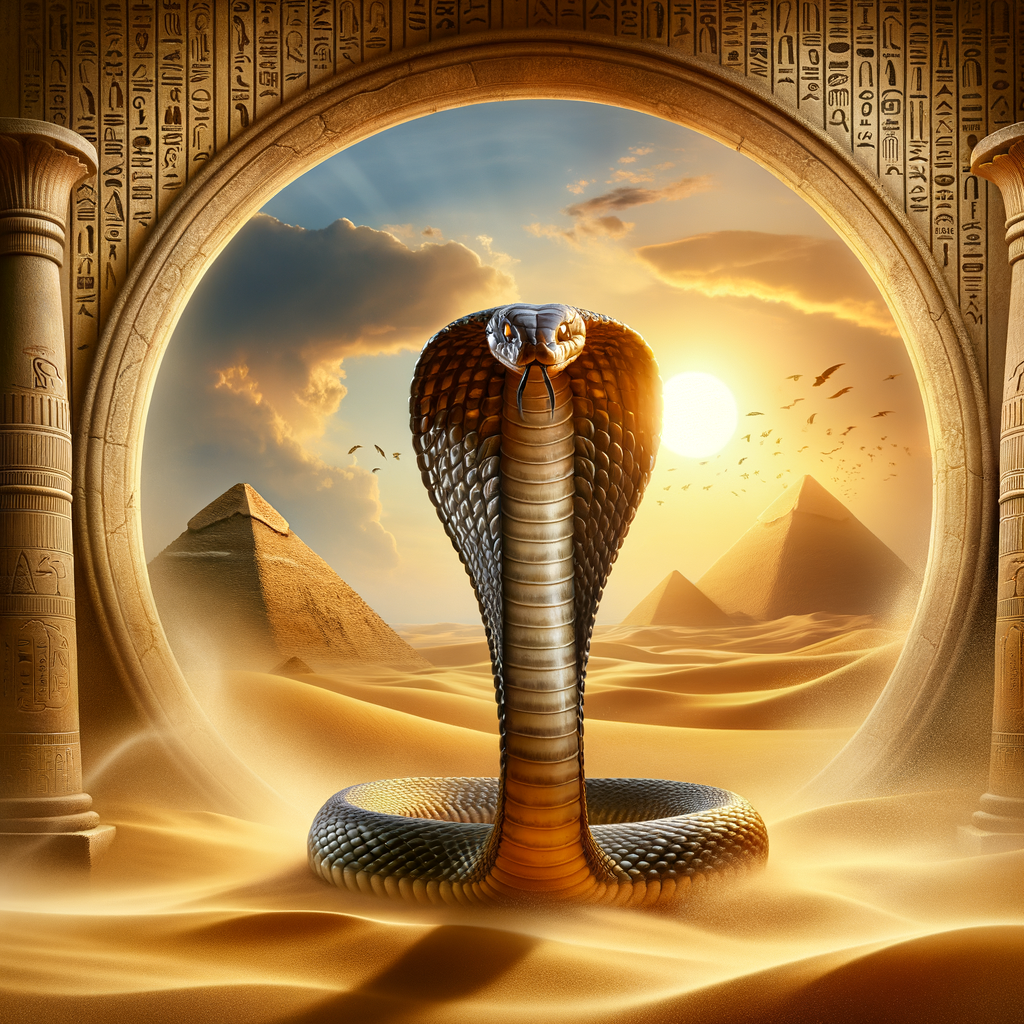
The King Cobra, scientifically known as Ophiophagus hannah, is not only the longest venomous snake in the world but also one of the most fascinating creatures of the serpent kingdom. With its imposing size, distinctive hood, and a reputation for hunting other snakes, the King Cobra has captivated the human imagination for centuries. This article delves into the life of this majestic reptile, exploring its habitat, behavior, and the myths that surround it.

Habitat and Distribution

King Cobras are primarily found in the dense forests and grasslands from India’s southern tip across Southeast Asia and into China and Indonesia. They prefer areas close to water, such as swamps, streams, and lakes, which provide them with both the moisture they need and the cover to ambush their prey. Despite their preference for tropical climates, King Cobras have been known to adapt to a variety of environments, including rural gardens and plantations.

Physical Characteristics

The King Cobra is easily recognizable due to its impressive size, with adults reaching lengths of up to 18 feet (5.5 meters), although most are between 10 to 12 feet (3 to 3.7 meters) long. Its robust body is covered in shades of brown, olive, or black, with distinctive yellow or white crossbands. Unlike other cobras, the King Cobra has a neck that flares out when it feels threatened, creating a large, oval hood that serves as a warning to potential predators.

Behavior and Diet

The King Cobra is a solitary creature, emerging from its burrow mainly to hunt or mate. It is an apex predator, with a diet primarily consisting of other snakes, including venomous species like kraits and other cobras. This preference has earned it the name “King” among cobras. However, it is not averse to eating lizards, small mammals, and even birds and their eggs.

King Cobras are known for their aggressive nature when threatened. They can raise the front part of their body off the ground and expand their hood to appear larger and more intimidating. If this display does not deter the threat, they can strike with incredible speed and deliver a potent dose of neurotoxic venom. Despite their fearsome reputation, King Cobras are not aggressive towards humans unless provoked or cornered.

Reproduction and Lifecycle

King Cobras are oviparous, meaning they lay eggs. The mating season usually occurs between March and April, with females laying clutches of 20 to 40 eggs. What sets the King Cobra apart is the level of parental care provided by the female. She coils around her eggs to protect them from predators and regulate their temperature, a behavior rare among snakes. After about 90 days, the eggs hatch, and the young King Cobras, already equipped with venom, are on their own.

Conservation Status

The King Cobra is listed as a vulnerable species by the IUCN Red List, facing threats from habitat destruction, human encroachment, and illegal wildlife trade. Conservation efforts are crucial to protect this species and its natural habitats. Sanctuaries and protected areas, along with community-based conservation programs, play a vital role in ensuring the survival of the King Cobra.

Cultural Significance

In many cultures, the King Cobra is revered as a symbol of power and royalty. In India, it is associated with the deity Shiva and is often depicted as his vehicle or throne. The snake is also a prominent figure in folklore and mythology across Southeast Asia, embodying themes of strength, wisdom, and the natural world’s mysteries.

The King Cobra, with its majestic presence and unique characteristics, continues to fascinate and inspire. As we learn more about this remarkable creature, it becomes increasingly important to protect it and its habitat. By doing so, we not only preserve a species but also honor the rich tapestry of life on our planet.