A Pivotal Conflict in Westerosi History: The War of the Five Kings

thegriffithdc.com – The War of the Five Kings, a tumultuous period in the history of Westeros, was a complex and devastating conflict that reshaped the political landscape of the Seven Kingdoms. This war, which spanned from 298 AC to 300 AC, involved multiple claimants to the Iron Throne, each vying for control over the realm. The conflict was characterized by shifting alliances, betrayals, and battles that left a lasting impact on the kingdoms involved.

The Catalyst: The Death of King Robert Baratheon

The war’s immediate cause was the death of King Robert I Baratheon, the ruler of the Seven Kingdoms. Following his demise, the realm was plunged into chaos as various factions sought to claim the vacant throne. The primary contenders were:

  1. Joffrey Baratheon – The eldest son of King Robert, who was immediately crowned by the small council despite his questionable lineage.
  2. Stannis Baratheon – King Robert’s younger brother, who claimed the throne based on his belief that Joffrey and his siblings were illegitimate.
  3. Renly Baratheon – The youngest brother of King Robert, who also laid claim to the throne, supported by the powerful House Tyrell.
  4. Robb Stark – The King in the North, who declared independence from the Iron Throne after the execution of his father, Eddard Stark, by King Joffrey.
  5. Balon Greyjoy – The Lord Reaper of Pyke, who declared himself King of the Iron Islands and launched a rebellion against the North.

The Course of the War

The War of the Five Kings was marked by several key battles and events:

  • The Battle of the Whispering Wood – A significant victory for Robb Stark, where he captured Jaime Lannister, the military leader of the Lannister forces.
  • The Battle of the Blackwater – A decisive battle in which Stannis Baratheon’s forces were defeated by the Lannister-Tyrell alliance, effectively ending his bid for the throne.
  • The Red Wedding – A shocking betrayal where Robb Stark and many of his followers were massacred during a wedding feast, orchestrated by House Frey and House Bolton in collaboration with the Lannisters.
  • The Siege of Storm’s End – Stannis Baratheon’s last stand, which ended with his defeat and the subsequent collapse of his claim to the throne.

The Aftermath

The War of the Five Kings left the Seven Kingdoms in a state of turmoil, with the Lannisters and the Tyrells securing control over the Iron Throne through Joffrey. However, the war’s legacy was one of instability, as it weakened the realm and paved the way for further conflicts, including the rise of the High Sparrow and the invasion of the White Walkers from the North.

The war also led to significant shifts in power among the noble houses, with some, like the Starks, suffering severe losses, while others, like the Lannisters and Tyrells, emerged with increased influence. The War of the Five Kings remains a critical chapter in Westerosi history, illustrating the fragility of power and the high cost of ambition.
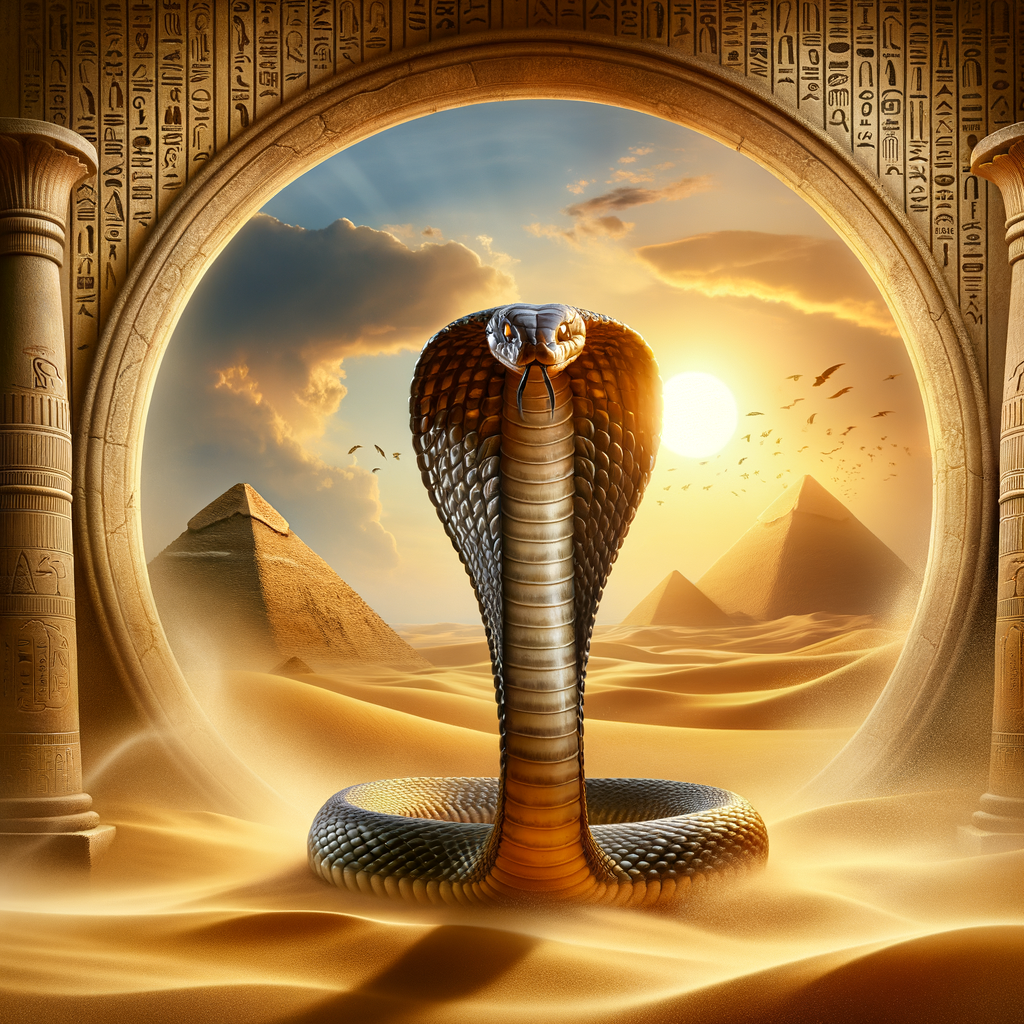
Symbol of Power and Mystery: The Enigmatic King Cobra

The King Cobra, scientifically known as Ophiophagus hannah, is not only the longest venomous snake in the world but also one of the most fascinating creatures of the serpent kingdom. With its imposing size, distinctive hood, and a reputation for hunting other snakes, the King Cobra has captivated the human imagination for centuries. This article delves into the life of this majestic reptile, exploring its habitat, behavior, and the myths that surround it.

Habitat and Distribution

King Cobras are primarily found in the dense forests and grasslands from India’s southern tip across Southeast Asia and into China and Indonesia. They prefer areas close to water, such as swamps, streams, and lakes, which provide them with both the moisture they need and the cover to ambush their prey. Despite their preference for tropical climates, King Cobras have been known to adapt to a variety of environments, including rural gardens and plantations.

Physical Characteristics

The King Cobra is easily recognizable due to its impressive size, with adults reaching lengths of up to 18 feet (5.5 meters), although most are between 10 to 12 feet (3 to 3.7 meters) long. Its robust body is covered in shades of brown, olive, or black, with distinctive yellow or white crossbands. Unlike other cobras, the King Cobra has a neck that flares out when it feels threatened, creating a large, oval hood that serves as a warning to potential predators.

Behavior and Diet

The King Cobra is a solitary creature, emerging from its burrow mainly to hunt or mate. It is an apex predator, with a diet primarily consisting of other snakes, including venomous species like kraits and other cobras. This preference has earned it the name “King” among cobras. However, it is not averse to eating lizards, small mammals, and even birds and their eggs.

King Cobras are known for their aggressive nature when threatened. They can raise the front part of their body off the ground and expand their hood to appear larger and more intimidating. If this display does not deter the threat, they can strike with incredible speed and deliver a potent dose of neurotoxic venom. Despite their fearsome reputation, King Cobras are not aggressive towards humans unless provoked or cornered.

Reproduction and Lifecycle

King Cobras are oviparous, meaning they lay eggs. The mating season usually occurs between March and April, with females laying clutches of 20 to 40 eggs. What sets the King Cobra apart is the level of parental care provided by the female. She coils around her eggs to protect them from predators and regulate their temperature, a behavior rare among snakes. After about 90 days, the eggs hatch, and the young King Cobras, already equipped with venom, are on their own.

Conservation Status

The King Cobra is listed as a vulnerable species by the IUCN Red List, facing threats from habitat destruction, human encroachment, and illegal wildlife trade. Conservation efforts are crucial to protect this species and its natural habitats. Sanctuaries and protected areas, along with community-based conservation programs, play a vital role in ensuring the survival of the King Cobra.

Cultural Significance

In many cultures, the King Cobra is revered as a symbol of power and royalty. In India, it is associated with the deity Shiva and is often depicted as his vehicle or throne. The snake is also a prominent figure in folklore and mythology across Southeast Asia, embodying themes of strength, wisdom, and the natural world’s mysteries.

The King Cobra, with its majestic presence and unique characteristics, continues to fascinate and inspire. As we learn more about this remarkable creature, it becomes increasingly important to protect it and its habitat. By doing so, we not only preserve a species but also honor the rich tapestry of life on our planet.