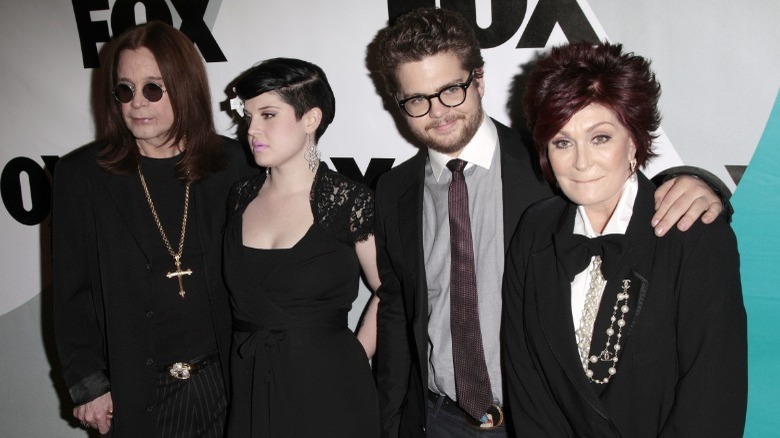
How Shows Like ‘The Osbournes’ Changed Celebrity Culture

thegriffithdc.com – In the early 2000s, a cultural phenomenon began to take shape on television screens across the globe. Reality TV, a genre that had previously been relegated to the fringes of programming, exploded into mainstream popularity. Shows like “The Osbournes” led this charge, transforming not only the television landscape but also the very fabric of celebrity culture. This article explores how reality TV, with “The Osbournes” at the forefront, redefined fame, privacy, and the public’s insatiable appetite for celebrity lifestyles.

The Birth of ‘The Osbournes’

“The Osbournes” premiered on MTV in March 2002, offering viewers an unprecedented look into the daily lives of Ozzy Osbourne, his wife Sharon, and their two children, Kelly and Jack. Ozzy, a former Black Sabbath frontman turned solo artist, was already a well-known figure in the music industry. However, the show catapulted the entire family into a new stratosphere of fame.

Redefining Celebrity Culture

Before “The Osbournes,” celebrities were often seen as untouchable, living in a world far removed from the everyday lives of their fans. The show shattered this illusion, presenting the Osbournes as a relatable, albeit eccentric, family. Their arguments, personal struggles, and everyday routines were laid bare for the world to see. This level of accessibility was revolutionary, setting a precedent for future reality TV stars.

The Impact on Privacy and Public Perception

“The Osbournes” also blurred the lines between public and private life, a trend that would become a hallmark of reality TV. By inviting cameras into their home, the Osbournes willingly exposed their personal lives to scrutiny and criticism. This had a dual effect: it humanized celebrities, making them more relatable, but it also set a precedent for the erosion of privacy in the pursuit of fame.

The Reality TV Boom

The success of “The Osbournes” paved the way for a plethora of reality shows featuring celebrities and non-celebrities alike. From “Keeping Up with the Kardashians” to “Jersey Shore,” reality TV became a staple of prime-time programming. These shows continued the trend of showcasing the lives of the rich and famous, as well as ordinary people placed in extraordinary situations.

Changing the Face of Fame

Reality TV has fundamentally changed how celebrities are made and perceived. It democratized fame, allowing individuals to become household names without traditional talents or achievements. This shift has led to a more fluid definition of celebrity, where fame can be achieved simply by being oneself on camera.

Conclusion

“The Osbournes” and the reality TV boom it spearheaded have had a profound impact on celebrity culture. By offering an unfiltered look into the lives of celebrities, reality TV has reshaped the public’s perception of fame, privacy, and the celebrity lifestyle. While the genre has faced criticism for its portrayal of real life and the impact on participants’ mental health, its influence on popular culture is undeniable. As the landscape of television continues to evolve, the legacy of “The Osbournes” and its peers will undoubtedly be remembered as a pivotal moment in the history of celebrity and reality TV.

Superstition and Culture: Shape Supernatural Beliefs

Superstition and culture are deeply intertwined, with traditions often shaping our supernatural beliefs in profound ways. These beliefs can be traced back to ancient times when humans sought to explain natural phenomena through the lens of the supernatural. As societies developed, these explanations became part of cultural traditions, passed down through generations, and adapted to fit the evolving cultural landscape. Here’s how traditions shape our supernatural beliefs:

1. Historical Roots and Evolution

Many superstitions have their roots in ancient practices and beliefs. For example, the fear of the number 13 in Western culture is thought to originate from various sources, including the Last Supper, where Jesus was betrayed by Judas, the 13th guest. Similarly, the belief in ghosts and spirits can be traced back to animistic beliefs, where early humans thought that natural objects and phenomena were the result of supernatural entities.

2. Cultural Transmission

Supernatural beliefs are transmitted through cultural narratives, including folklore, myths, legends, and religious texts. These stories often contain moral lessons and explanations for natural phenomena, embedding superstitions into the cultural fabric. For instance, the concept of vampires in Eastern Europe has its roots in local folklore, which was later popularized in literature and media, influencing global perceptions of the supernatural.

3. Rituals and Practices

Cultural traditions often include rituals and practices aimed at warding off evil spirits or attracting good luck. These can range from simple gestures like knocking on wood to elaborate ceremonies. In many Asian cultures, the practice of feng shui is used to harmonize individuals with their environment, based on the belief that the arrangement of space can affect health and fortune.

4. Festivals and Celebrations

Many cultural festivals are centered around supernatural beliefs, celebrating events that are thought to have supernatural significance. For example, Halloween in the West is rooted in the Celtic festival of Samhain, where it was believed that the boundary between the living and the dead became blurred. Similarly, the Day of the Dead in Mexico is a time when it is believed that the souls of the departed return to earth, celebrated with offerings and altars.

5. Social Cohesion and Identity

Supernatural beliefs and the traditions associated with them can foster a sense of community and identity. Shared beliefs and practices can strengthen social bonds and reinforce cultural identity. For instance, the celebration of religious festivals or the observance of cultural taboos can serve as markers of group membership and identity.

6. Adaptation and Change

While some superstitions remain relatively unchanged over time, others evolve in response to new cultural influences or societal changes. The internet and global media have facilitated the exchange of supernatural beliefs across cultures, leading to the creation of new superstitions and the adaptation of old ones.

In conclusion, superstition and culture are intricately linked, with traditions playing a crucial role in shaping our supernatural beliefs. These beliefs are not static; they evolve and adapt, reflecting the dynamic nature of culture itself. Understanding the cultural context of superstitions can provide insights into the human psyche and our ongoing quest to make sense of the world around us.